
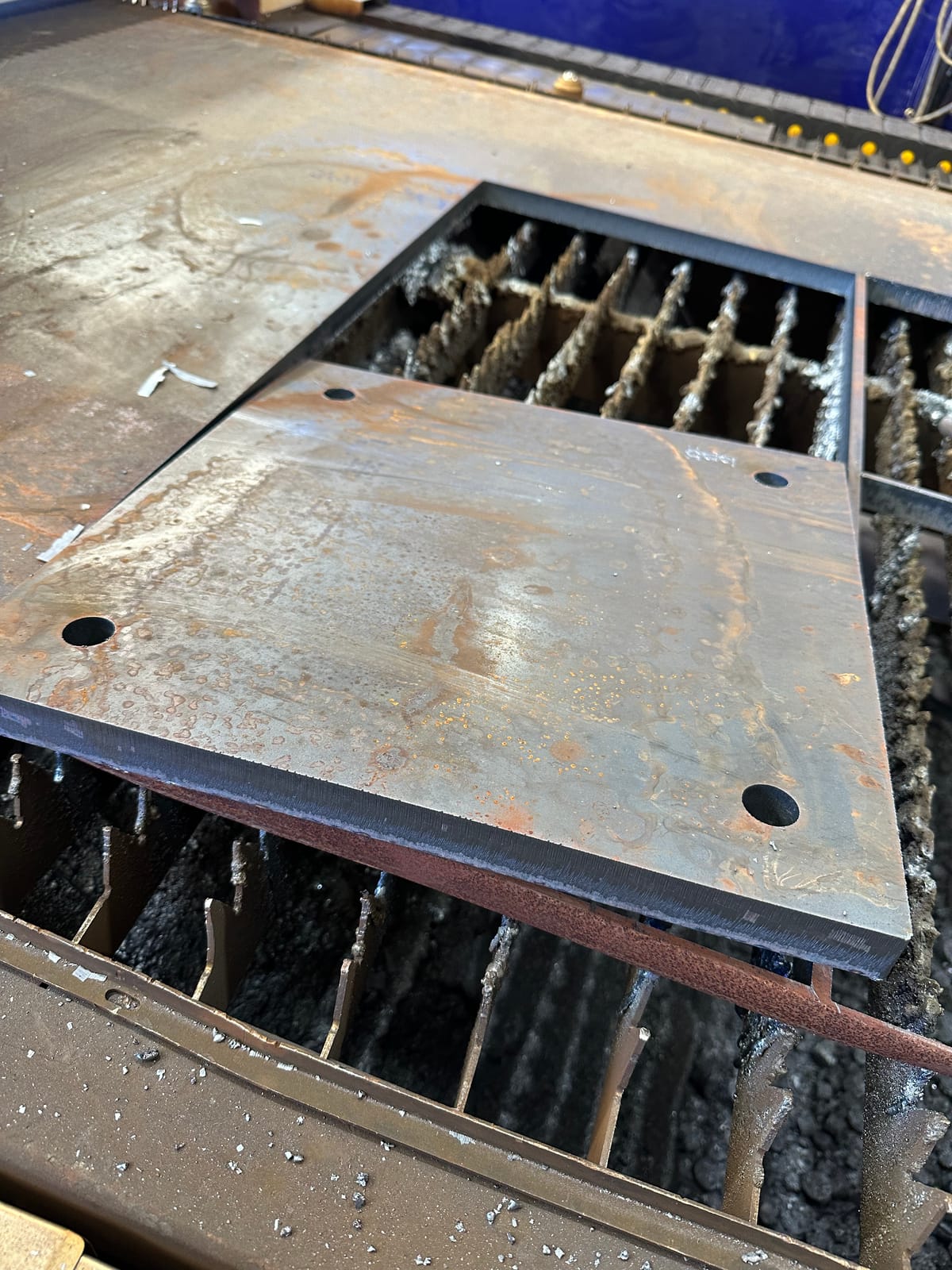
Start with the parts that create the bottleneck
Review representative parts rather than a single maximum thickness. List the normal materials, thickness range in gauge or inches and millimeters, sheet size, nesting pattern, edge requirements, and the percentage of work that is repeat production. A high-power comparison only helps when it reflects the jobs that actually occupy the machine.
Then map the full process: material staging, loading, cutting, unloading, inspection, bending, welding, finishing, and shipping. If a press brake, operator, or material-handling step is already the constraint, additional cutting capacity may not improve the completed-part flow.
Compare facility and gas requirements at the same time
Higher-power configurations can change the conversation around electrical service, chiller capacity, ventilation, assist-gas storage, gas delivery, dust collection, and safe material movement. Have a qualified electrician and the gas supplier review the proposed configuration and local requirements before final selection.
Do not assume that a recommended gas, pressure, or flow rate transfers from one material or machine setting to another. Cutting parameters should be confirmed for the exact material, thickness, part geometry, and equipment configuration under consideration.
Choose the power level around capacity you can use
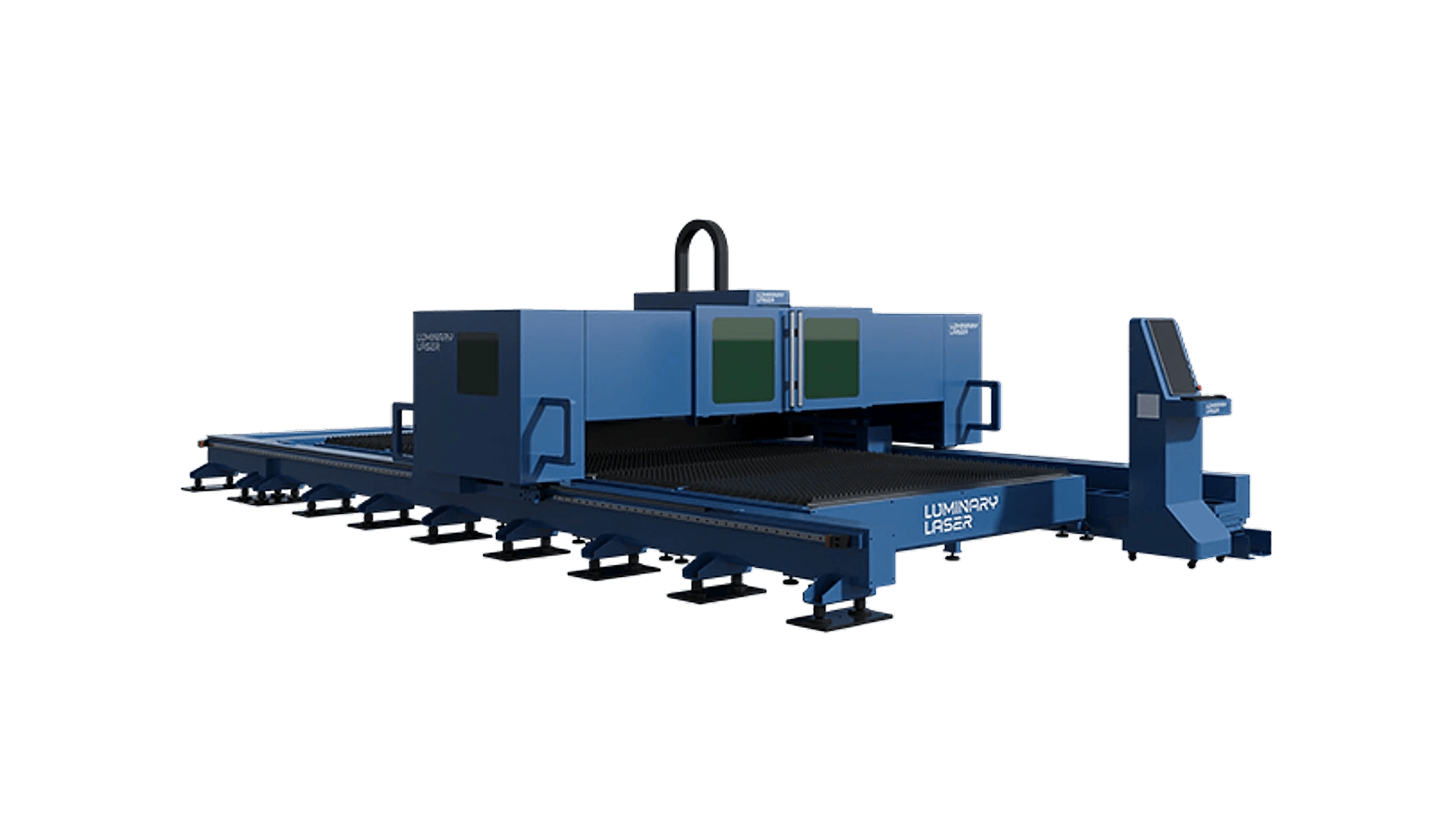
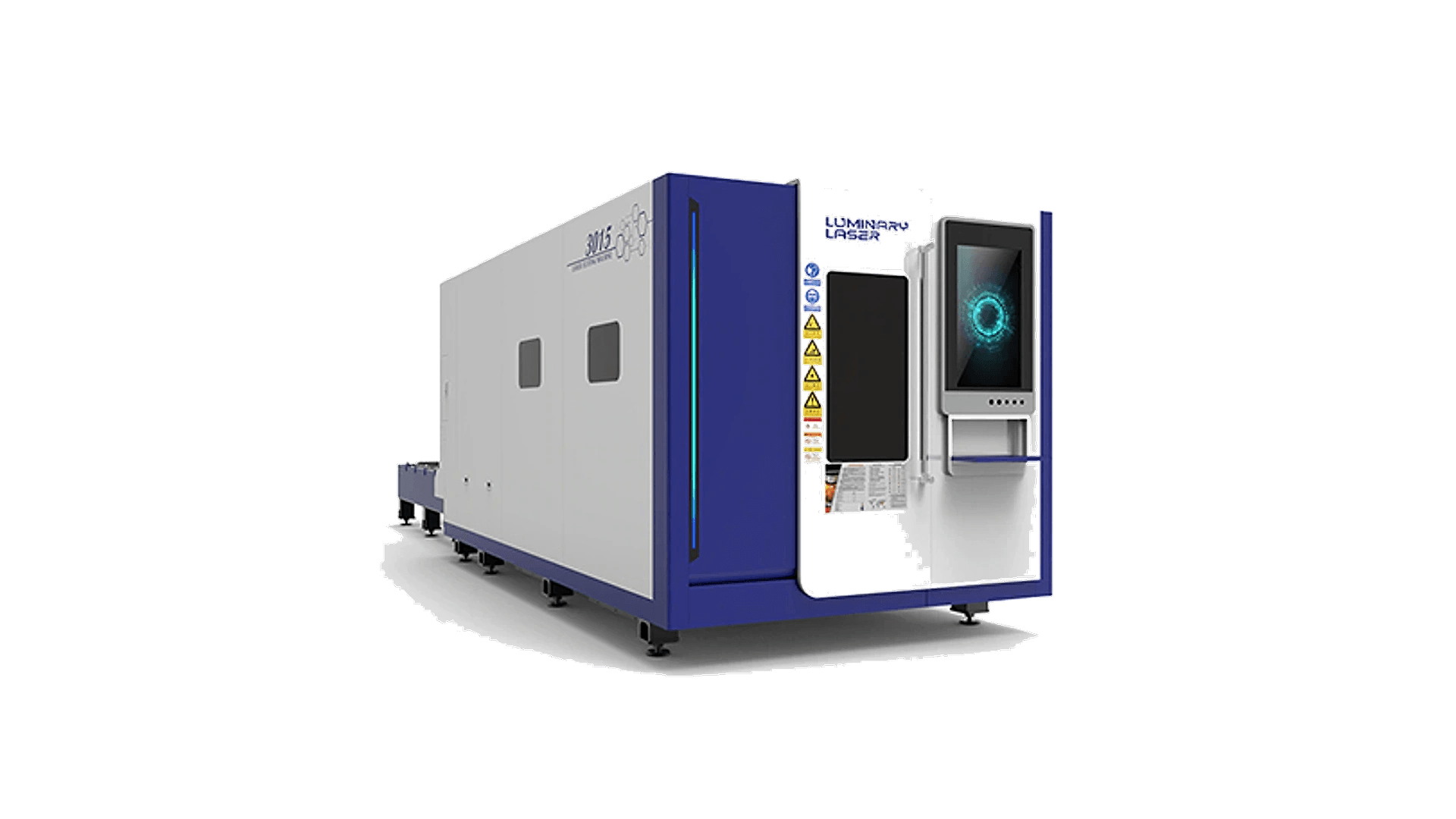
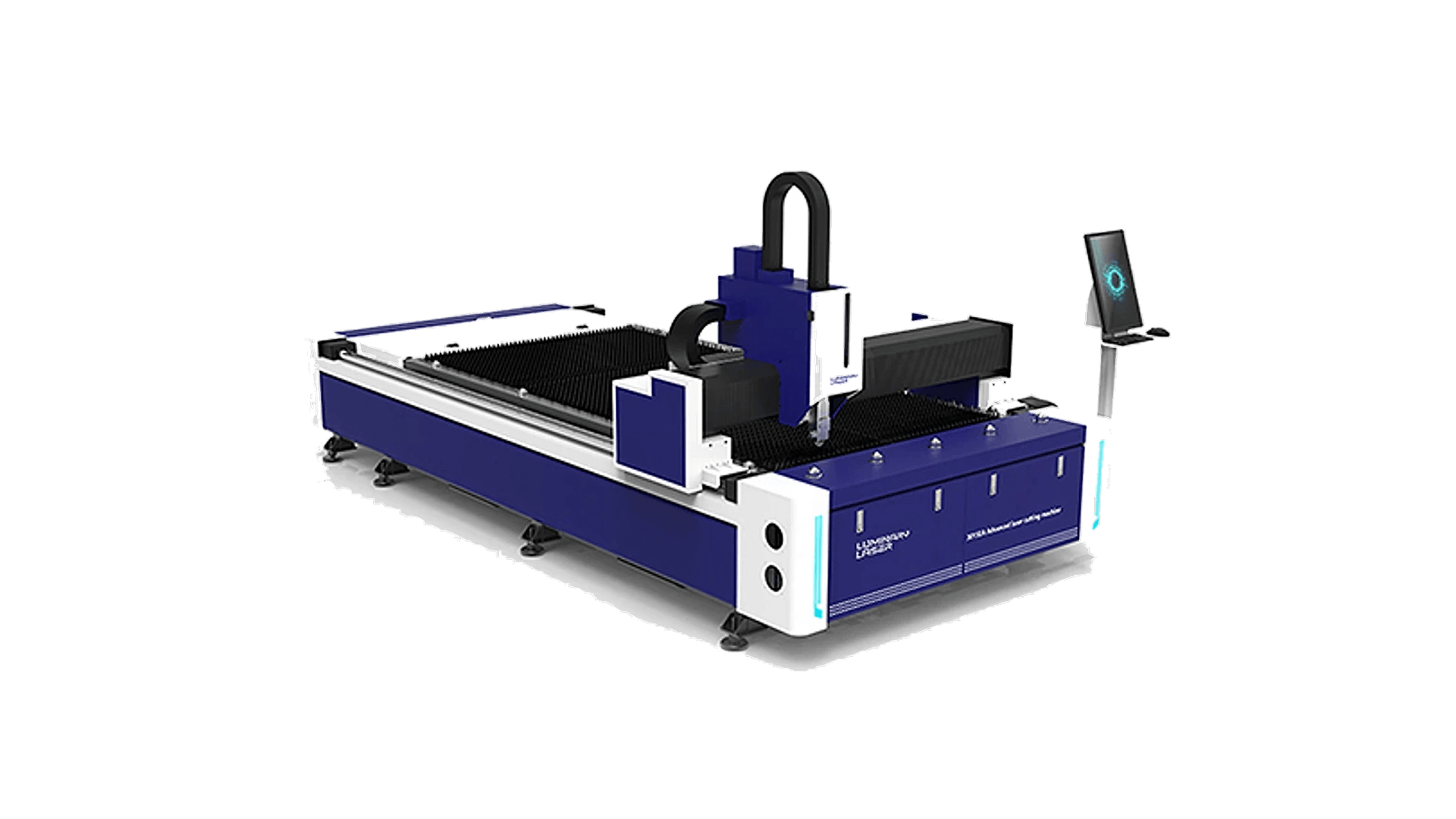
A 12kW system can be the practical fit when the material mix, thickness range, part flow, and staffing plan do not justify a larger configuration. A 20kW or 30kW review is more useful when the shop has recurring work that can keep the entire process supplied and has a clear plan for downstream handling.
The best comparison is a documented production review, not an assumed speed claim. Request a configuration discussion using representative parts, material data, daily volume, target shift pattern, and site information. Confirm actual capability through the selected machine configuration and sample-cut process.
Prepare a high-power comparison package
Include normal and maximum plate size, material grade, thickness, cut features, required edge condition, batch quantity, jobs per shift, expected gas choice, automation preference, and site utilities. Use both U.S. and metric dimensions where drawings or purchasing teams require them.
Pending input: actual electrical capacity, assist-gas delivery method, available floor space, operator coverage, and downstream capacity. These items determine whether a higher-power machine is a production fit rather than simply a larger specification.
FAQs
Frequently asked questions.
When is a 12kW fiber laser the better fit?
It can be the practical choice when the shop's normal material mix, volume, staffing, utilities, and downstream process do not support a larger high-power configuration.
What can prevent a 20kW or 30kW laser from being fully used?
Material staging, loading, unloading, inspection, bending, welding, staffing, gas delivery, and other downstream constraints can limit completed-part throughput.
What facility items should be reviewed before choosing higher power?
Confirm electrical service, voltage and phase, chiller and ventilation needs, gas storage and delivery, dust collection, floor space, delivery access, and safe material flow.
Can higher power reduce cost per part?
It can only be evaluated against the complete production flow. Compare verified local utility and gas inputs, labor, utilization, quality requirements, and downstream capacity for the proposed configuration.
Join the conversation
Reader discussion
Share a question or your experience with this topic. Comments appear immediately after submission. For a machine quotation, contact our team directly.
Loading reader comments…
Leave a comment