
Best for sheet metal shops cutting flat sheet, plate, cabinet panels, signs, enclosures, and general fabricated parts.
Product category
Sheet Metal Fiber Laser Cutting Machines
Compare sheet metal fiber laser cutting machines for flat sheet and plate work, including enclosed, large-format, economic, and high-power configurations.
4 models
Sheet Laser Cutting Machine
Compare sheet metal laser machine configurations
Start with the sheet size and production layout, then shortlist power options using your routine material and thickness mix. The listed laser power is optical output, not the complete machine's electrical consumption.
Scroll horizontally to see power and quotation details.
| Model | Configuration | Catalog laser power | Confirm before quotation |
|---|---|---|---|
| LF-GR | Large-format sheet and plate | 12, 20, 30, 40, 50 kW | Full plate dimensions, loading access, part removal, and floor plan. Request LF-GR pricing |
| LF-C | Enclosed cutting with dual platforms | 6, 12, 20, 30 kW, etc. | Enclosure access, table exchange, fume extraction, and material handling. Request LF-C pricing |
| LF-BF | Open-bed sheet cutting | 2, 3, 6, 12, 20 kW | Bed size, enclosure and guarding requirements, gas supply, and daily part mix. Request LF-BF pricing |
| LF 3015F | 3 kW sheet cutting | 3 kW | Routine thicknesses, edge requirements, and sample-cut results at the listed power. Request LF 3015F pricing |
For 5 x 10 ft (approximately 1.5 x 3.0 m) sheet work or larger plate, confirm usable travel and the actual stock dimensions. Supply material grades and thicknesses in inches and millimeters; maximum cut thickness alone is not an accepted-part specification.
Estimate operating cost per hour | U.S. installation and training planning | Request a configuration review
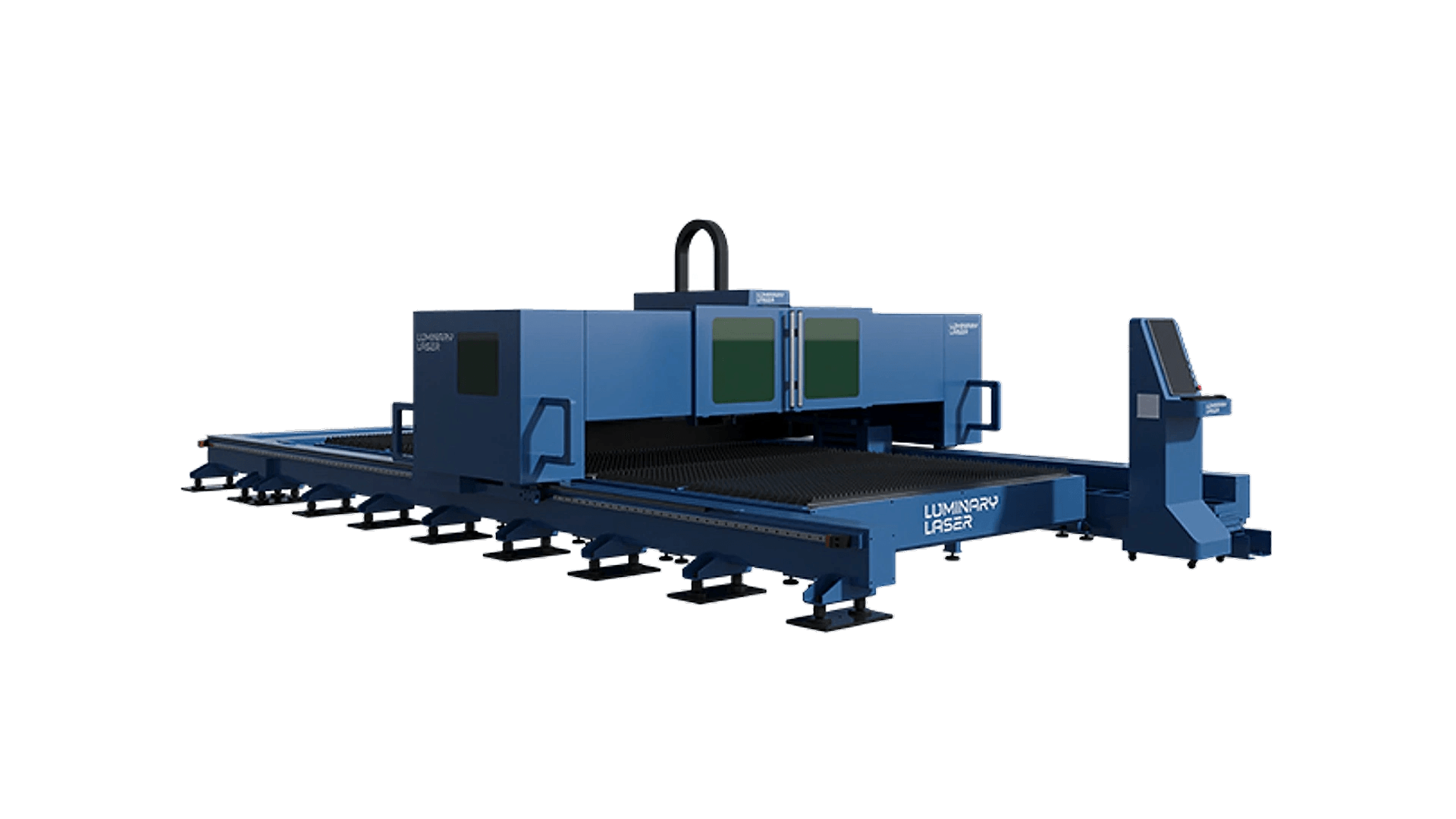
Sheet Laser Cutting Machine
LF-GR
Large Size Fiber Laser Cutting Machine
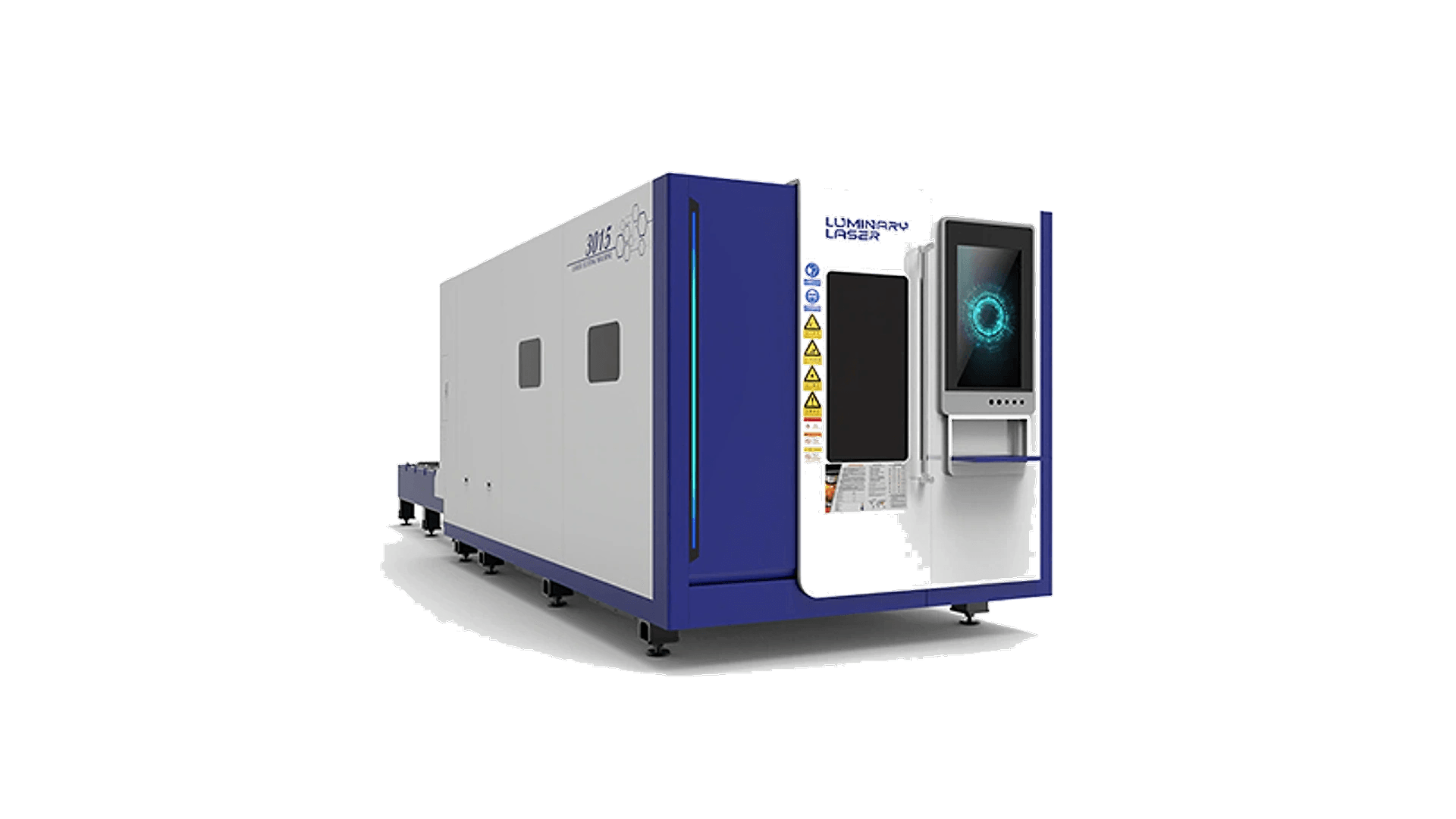
Sheet Laser Cutting Machine
LF-C
Fully Enclosed Dual Platform Fiber Laser Cutting Machine
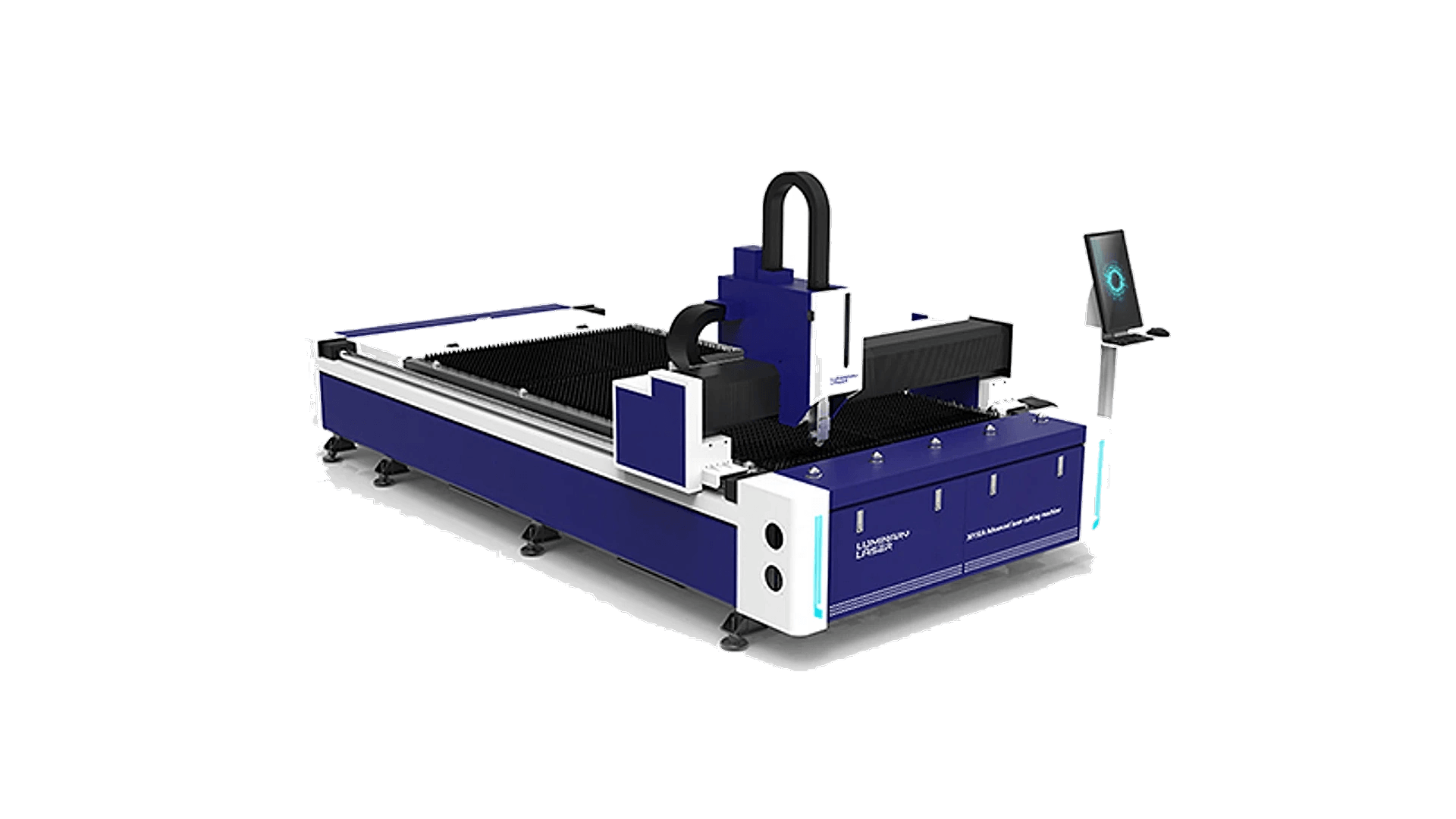
Sheet Laser Cutting Machine
LF-BF
Basic High Power Fiber Laser Cutting machine
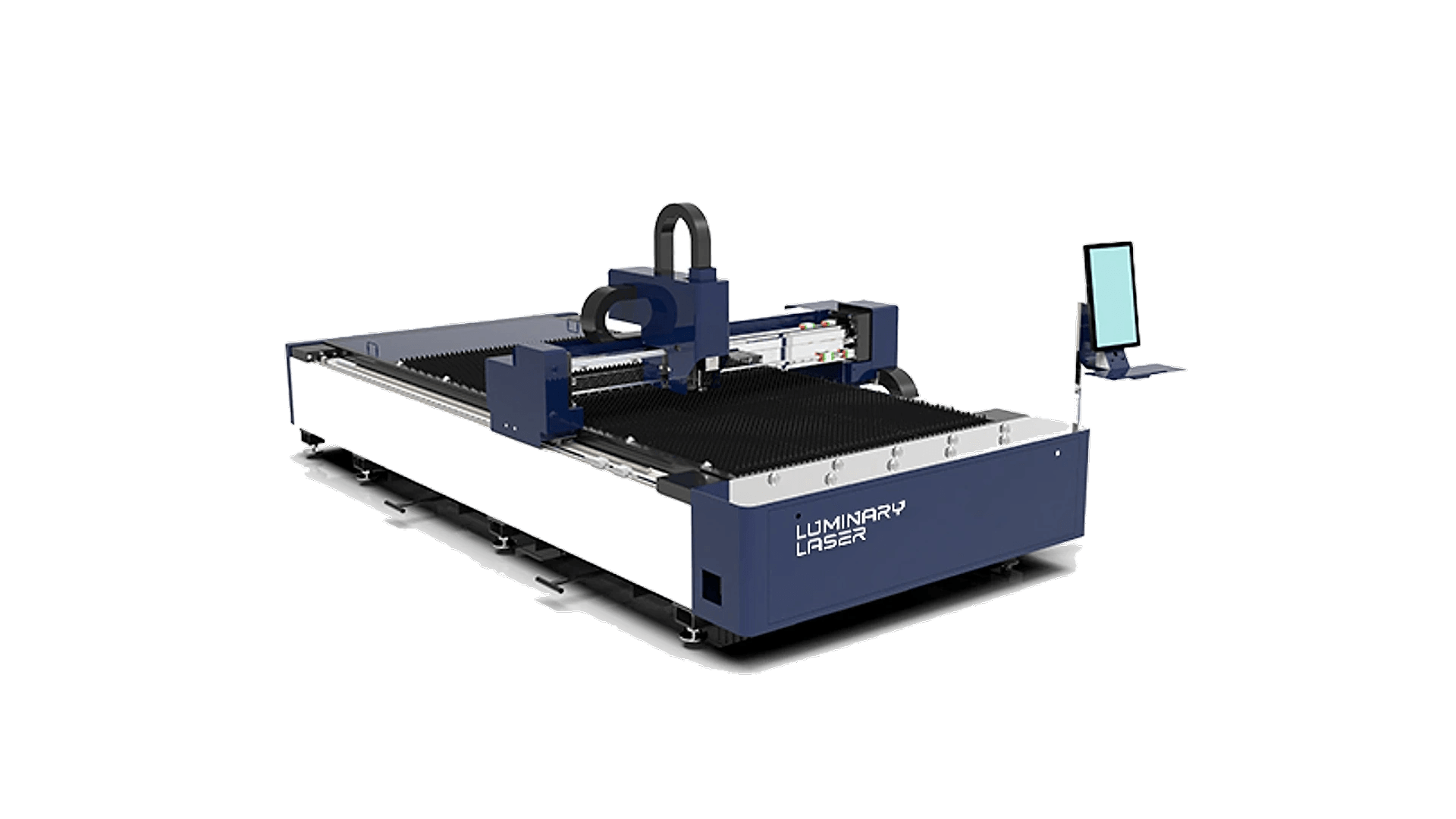
Sheet Laser Cutting Machine
LF 3015F
LF 3015F Economic Fiber Laser Cutting Machine
Buyer guidance
Choose the machine around your material, workflow, and support plan.
Common quote inputs include carbon steel, stainless steel, aluminum, brass, sheet size, thickness range, and desired laser power.
Quote coordination, installation planning, operator training, and parts support are handled for buyers across most U.S. regions through the Houston office.
Send material, thickness, working size, production volume, and installation location so the machine recommendation matches the real shop workflow.
A sheet fiber laser should be selected around normal material and thickness, sheet size, part mix, assist gas, automation, and downstream handling - not laser power alone.
Use the sheet fiber laser buyer checklistCompare 12 kW, 20 kW, and 30 kW fiber laser configurationsEstimate the operating-cost inputs for a fiber laserCompare nitrogen, oxygen, and compressed-air cuttingWorkshop footage · 15 seconds · No audio
See LUMINARY LASER equipment on the shop floor
This workshop walkthrough shows LUMINARY LASER-branded sheet equipment, its control station, and the surrounding working area.
Workshop reference footage. Confirm the model, working area, and configuration on your quotation; this clip does not establish cutting speed or accuracy.
Request a demonstration for your partsEquipment purchasing
Build a sheet laser quote around your actual parts
A useful equipment quote starts with your material and part mix. Laser power and headline speed alone do not establish accepted-part quality or full-job output.
Part requirements
Material grades, normal and maximum thickness, sheet size, drawings, and edge-quality needs.
Confirm: Request representative samples and define how dimensions, edges, and small features will be accepted.
Production workflow
Typical nesting jobs, batch sizes, loading method, and downstream bending or welding.
Confirm: Compare enclosed, open-bed, dual-platform, and large-format options against the complete job.
Purchase scope
Installation location, available utilities, material handling, extraction, and training requirements.
Confirm: Separate the base machine, options, utilities, shipping, installation, and support in the quote.
For a sample review and installation planning, use the workshop guide alongside the catalog specifications.
Machine planning FAQs
Questions to answer before comparing sheet laser cutting machine models.
What information should a shop compare before choosing a sheet fiber laser?
Compare the normal and maximum material thickness, sheet or plate size, material grades, part mix, required edge quality, assist gas, automation needs, floor space, and downstream handling. Representative drawings and production volumes make the comparison more useful.
How should laser power be selected for sheet metal cutting?
Select power around the materials, thicknesses, cut-quality targets, pierce requirements, and production mix the shop runs most often. Higher power is not automatically the best configuration when handling, gas supply, electrical service, and downstream capacity are considered.
When should a shop compare enclosed, open-bed, and large-format fiber lasers?
Compare these layouts when safety, fume control, plate dimensions, loading method, floor space, automation, and operator access materially affect the workflow. The final choice should be reviewed against the installation site and representative parts.