
Define the structural part family first
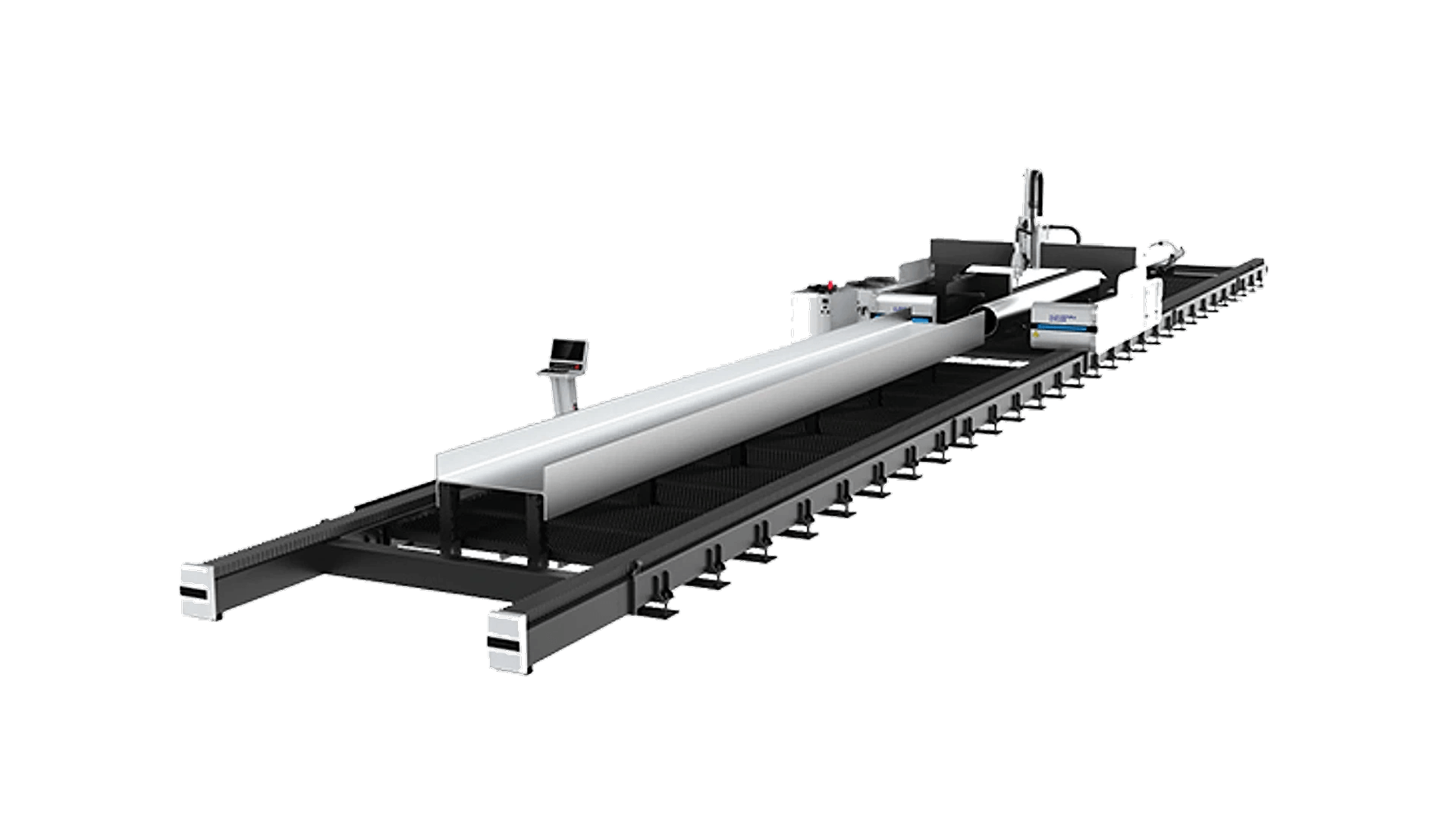
List the H-beam, I-beam, channel, angle, plate, and other structural profiles that make up the normal work. Include dimensions in inches and millimeters, lengths in feet and meters, material grade, cut features, holes, copes, marks, bevel requirements, and the share of repeat versus project-based work.
The right comparison begins with the actual drawing package. A structural job may need only cut-to-length, while another may combine holes, notches, connection features, bevels, and downstream fit-up requirements. Treat those as separate workflows rather than one generic steel category.
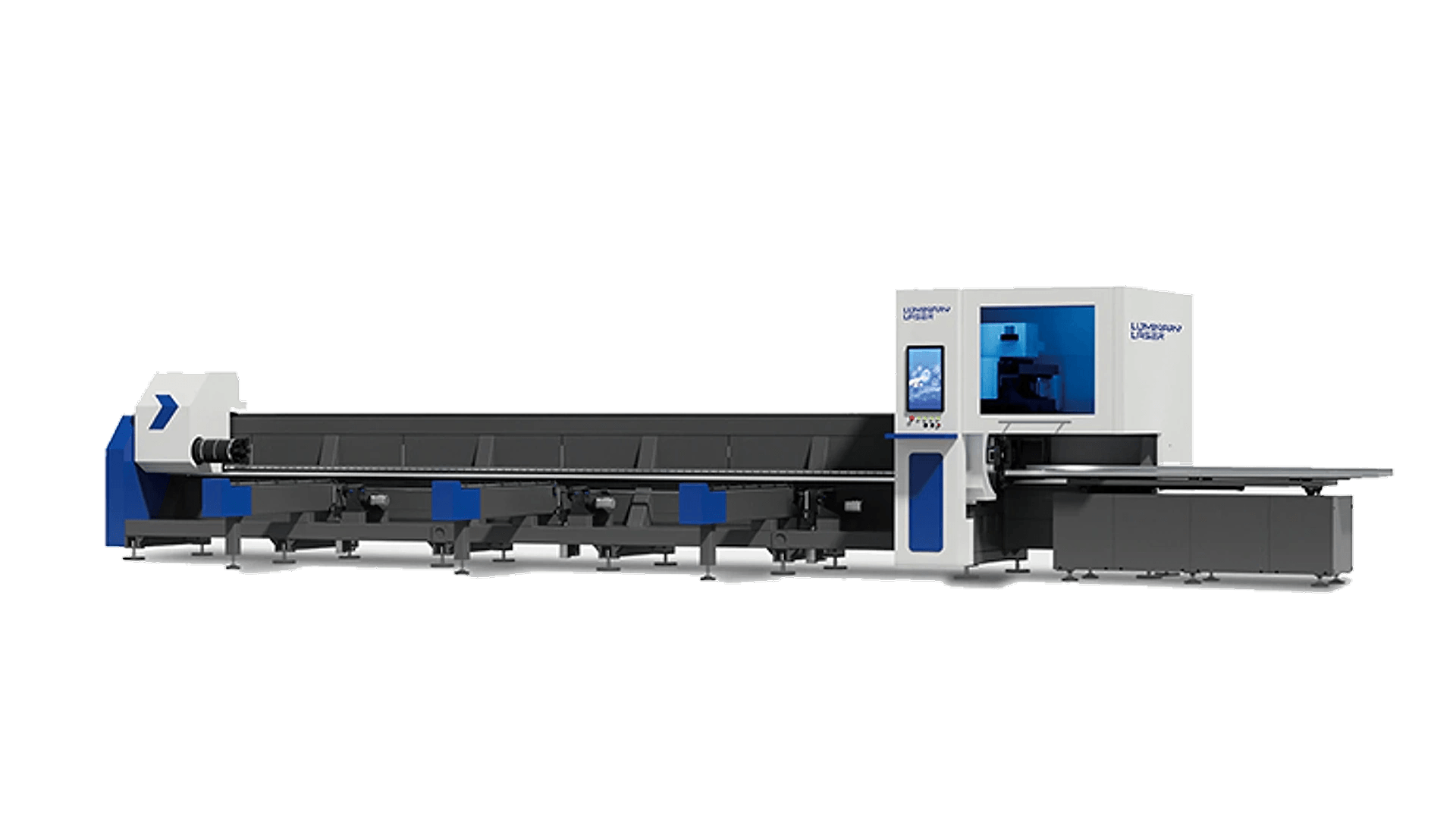
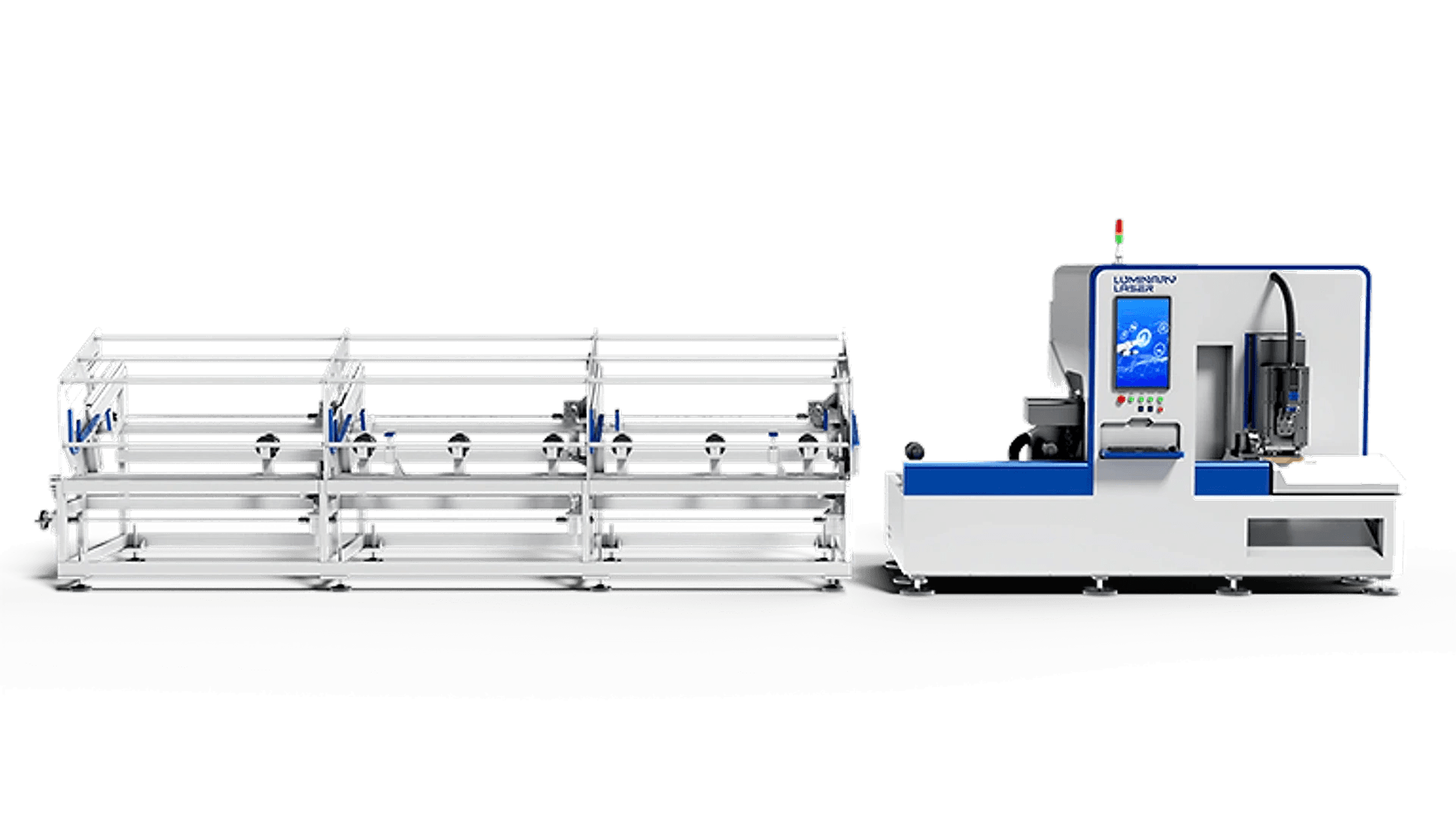
Compare the full line, not only the cutting head
Material staging, infeed, profile support, measurement, part marking, unloading, remnant handling, quality checks, and downstream welding can determine the usable output of a structural line. Compare how each process fits the existing crane, forklift, rack, and operator plan.
Plasma, saw-drill, and laser approaches may each have a practical role depending on the job mix and existing operations. Avoid assuming one process is universally faster, more accurate, or less expensive without reviewing representative parts and the selected equipment configuration.
Include weld preparation and fabrication handoff
Where a structural part moves into welding, review edge condition, bevel geometry, fit-up, fixture access, part identification, and the approved joint requirements with the responsible fabrication team. Laser-cut features can support a workflow, but they do not replace welding procedure or inspection requirements.
Use sample parts to confirm the critical connection features and the production handoff. This is more reliable than selecting a line based on a single catalog image or a claimed maximum capability.
Prepare a structural equipment review
Share profile drawings, material grades, length and weight range, recurring connection features, batch or project volume, current process route, floor plan, material handling, target delivery requirements, and the next fabrication operation. Include structural members that are difficult to process today.
Pending input: project-specific acceptance requirements, site layout, lifting capacity, infeed and outfeed space, utilities, operator coverage, and the selected machine configuration. Confirm these before estimating throughput, labor change, or production cost.
FAQs
Frequently asked questions.
What structural jobs are suitable for an H-beam laser review?
Evaluate recurring or project-based work that includes structural profiles, cut-to-length, holes, copes, connection features, bevel requirements, and a defined downstream fabrication route.
When can plasma or a saw-drill line remain the practical choice?
They may remain appropriate where the existing job mix, line setup, material handling, workforce, required features, and project flow already fit the process.
What information is needed to compare structural processes?
Use representative drawings, profile sizes and lengths, material grades, cut features, current operations, handling plan, project volume, site layout, and downstream welding requirements.
Can a laser-cut bevel replace structural welding planning?
No. Approved joint requirements, WPS direction, fit-up, fixtures, inspection, and final acceptance remain separate responsibilities for the structural fabrication project.
Join the conversation
Reader discussion
Share a question or your experience with this topic. Comments appear immediately after submission. For a machine quotation, contact our team directly.
Loading reader comments…
Leave a comment