
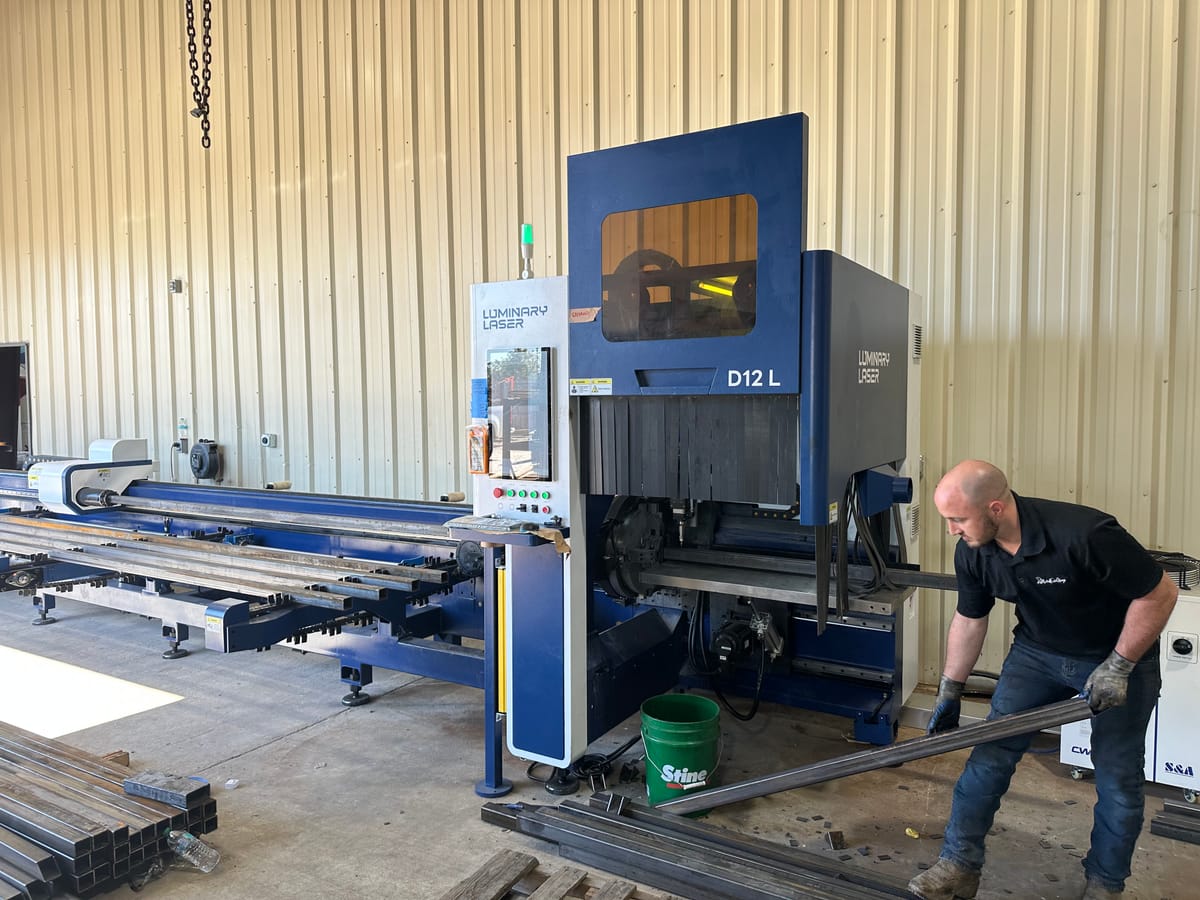
Map the existing operations before comparing equipment
Document each step currently used to cut, drill, mark, notch, cope, deburr, stage, and transfer a tube part. Include operator touches, fixtures, part identification, quality checks, and the handoff to welding or assembly. This shows which steps may be consolidated and which will remain in the route.
Record the normal profiles: round, square, rectangular, channel, angle, or shaped tube. Include wall thickness, outside diameter or section size, bar length in feet and meters, per-piece weight, common cut features, and batch size. These inputs affect clamping, support, loading, and changeover planning.
When tube sawing and drilling are still a practical fit
Tube sawing and drilling are still a practical fit for simple, highly variable, or low-volume parts when a shop already has capable saws, drills, and fixtures. They can also be appropriate when the required cut is limited to length and a small number of straightforward holes.
The comparison changes when a recurring part requires several operations, tight feature relationships, or repeated manual handoffs. Review the complete sequence, including material staging, loading, programming, cutting, unloading, part sorting, secondary work, and the next production step.
When a tube laser becomes worth reviewing
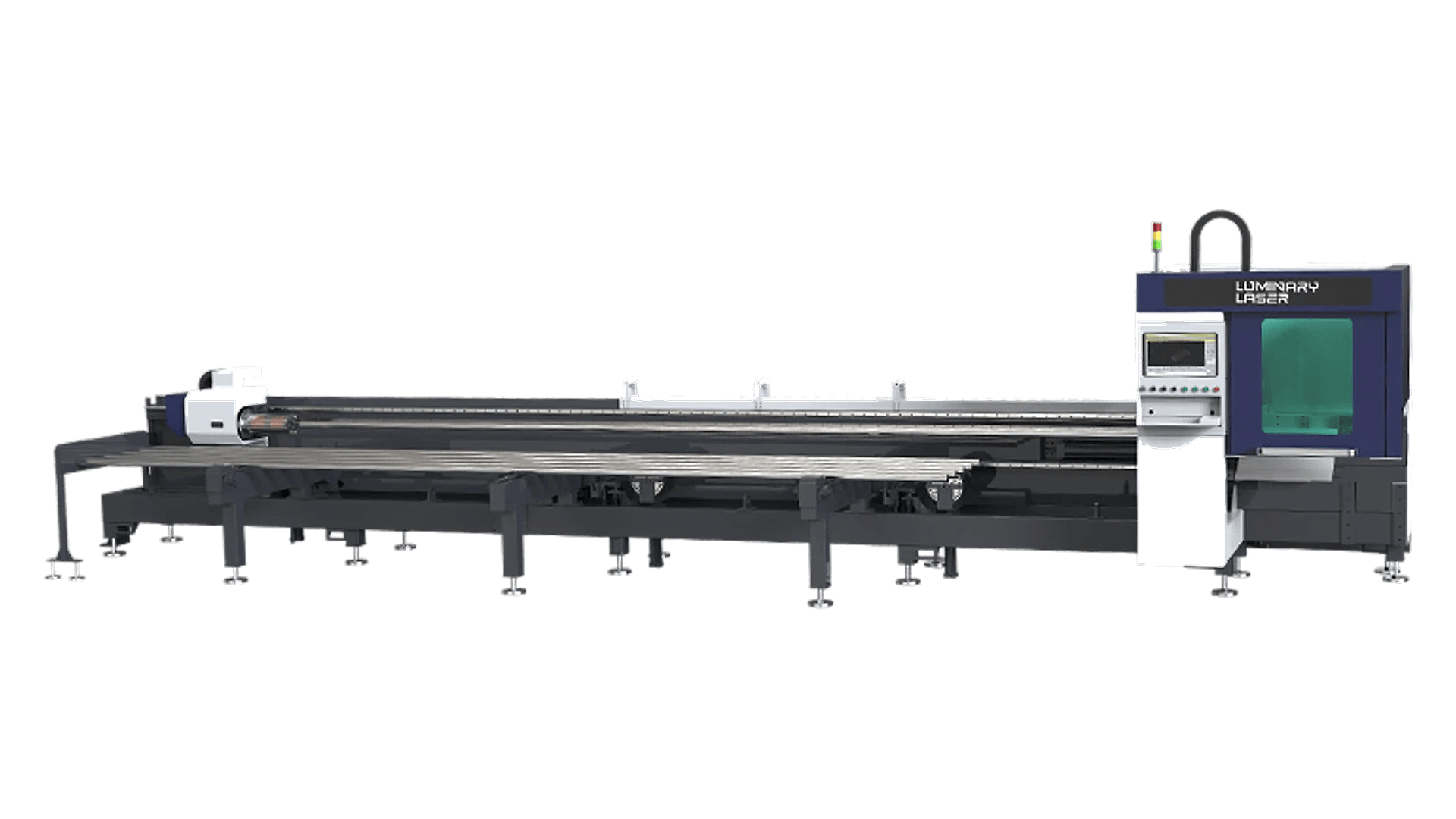
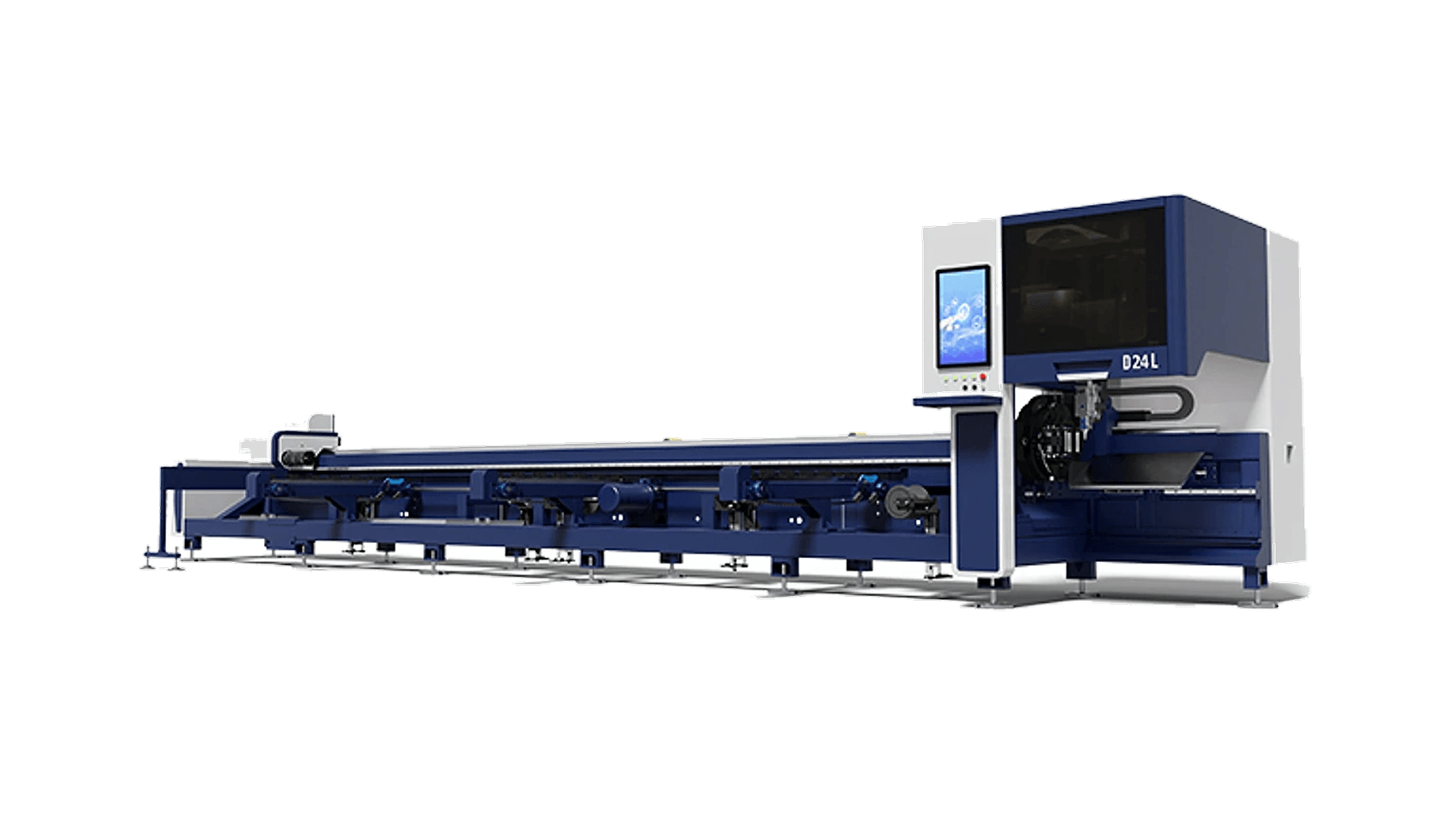
A tube laser can consolidate cut-to-length, holes, slots, copes, tabs, notches, and selected bevel features in one programmed sequence. It is most useful to evaluate when recurring work combines those features and the current route relies on multiple setups.
For U.S. fabrication teams, compare the real production path from material staging through cutting, sorting, welding, assembly, and inspection. Confirm the supported profile range, wall thickness, bar length, loading approach, and downstream fit-up needs for the selected machine configuration.
Plan loading, unloading, and downstream work
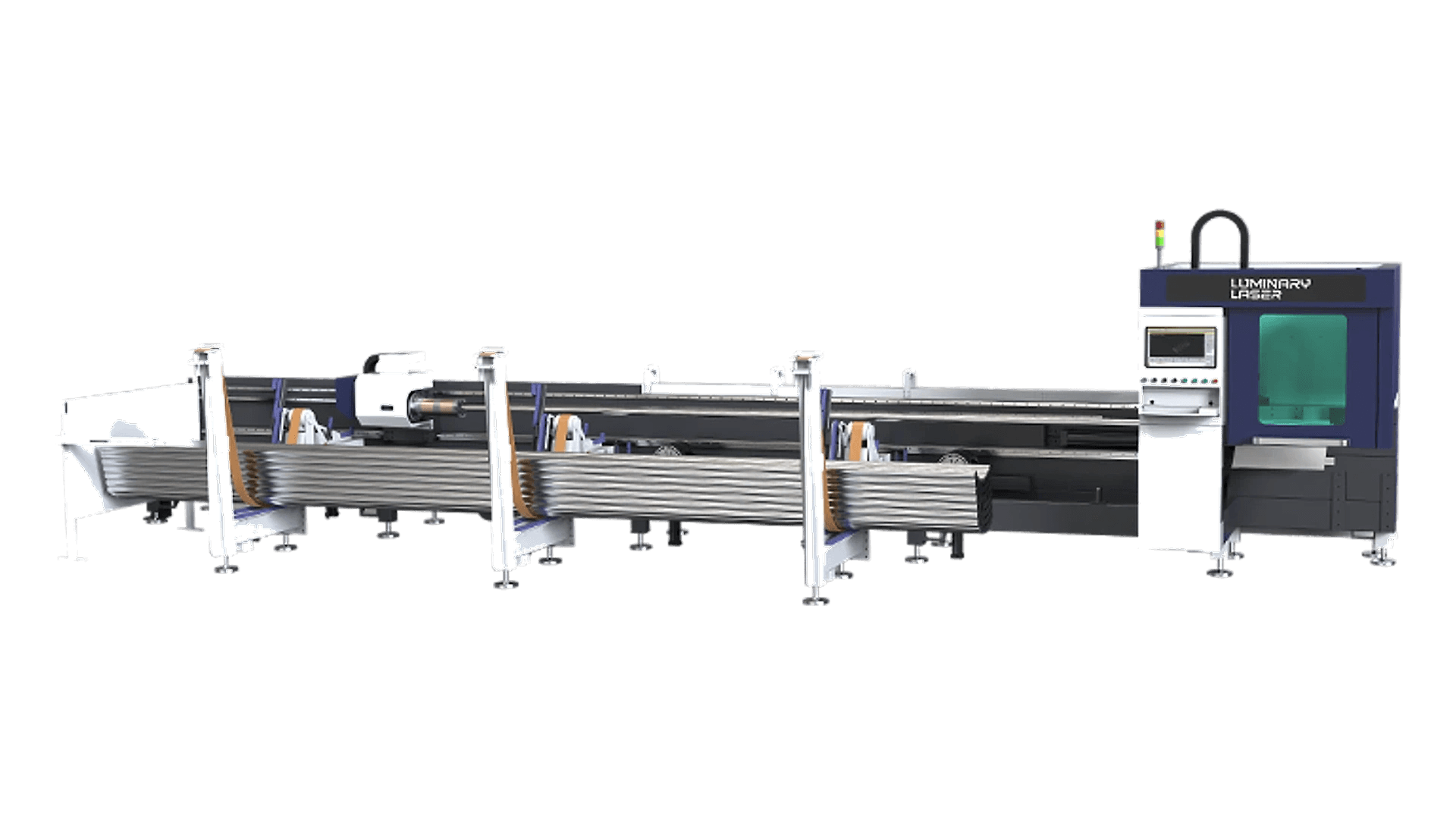
Tube length and profile mix determine whether manual, semi-automatic, or fully automatic loading should be considered. A 20 ft (6 m) tube and a shorter mixed-profile job may require very different handling plans. Finished parts, remnant material, scrap, and operator walkways should be reviewed as part of the layout.
The comparison should also include what happens after cutting. If parts move directly into welding or assembly, discuss cut features, identification, sorting, and the required edge condition with the people who own those operations.
Prepare a process-comparison request
Provide a representative part package, material grade, profile range, wall thickness, bar lengths, annual or monthly volume, current operations, labor touches, target changeover frequency, and the next process after cutting. This allows a quote discussion to focus on the real workflow.
Pending input: site layout, material-handling equipment, available loading length, operator plan, safety clearances, and the cut features that must be held for the final assembly. Confirm these with the selected machine configuration before changing the production route.
FAQs
Frequently asked questions.
When can a tube laser consolidate secondary operations?
It can be evaluated where recurring parts combine cut-to-length, holes, slots, notches, copes, or joint features that otherwise require separate setup steps.
When is tube sawing still practical?
Tube sawing with drilling may remain practical for simple, highly variable, low-volume work or where the existing route, labor, and equipment already fit the required output.
What information is needed to compare the two workflows?
Use representative drawings, profile and wall-thickness data, bar length, batch size, current operations, handling steps, target volume, and the next downstream process.
Does a tube laser remove the need for process planning?
No. Loading, unloading, remnant handling, part sorting, quality checks, welding or assembly, and site layout still need to be planned around the complete workflow.
Can a tube laser process round, square, and rectangular tube?
A tube laser should be evaluated against the actual profiles, outside diameter or section range, wall thickness, tube length, loading method, and required features. Confirm the final processing range with the selected machine configuration.
Join the conversation
Reader discussion
Share a question or your experience with this topic. Comments appear immediately after submission. For a machine quotation, contact our team directly.
Loading reader comments…
Leave a comment