
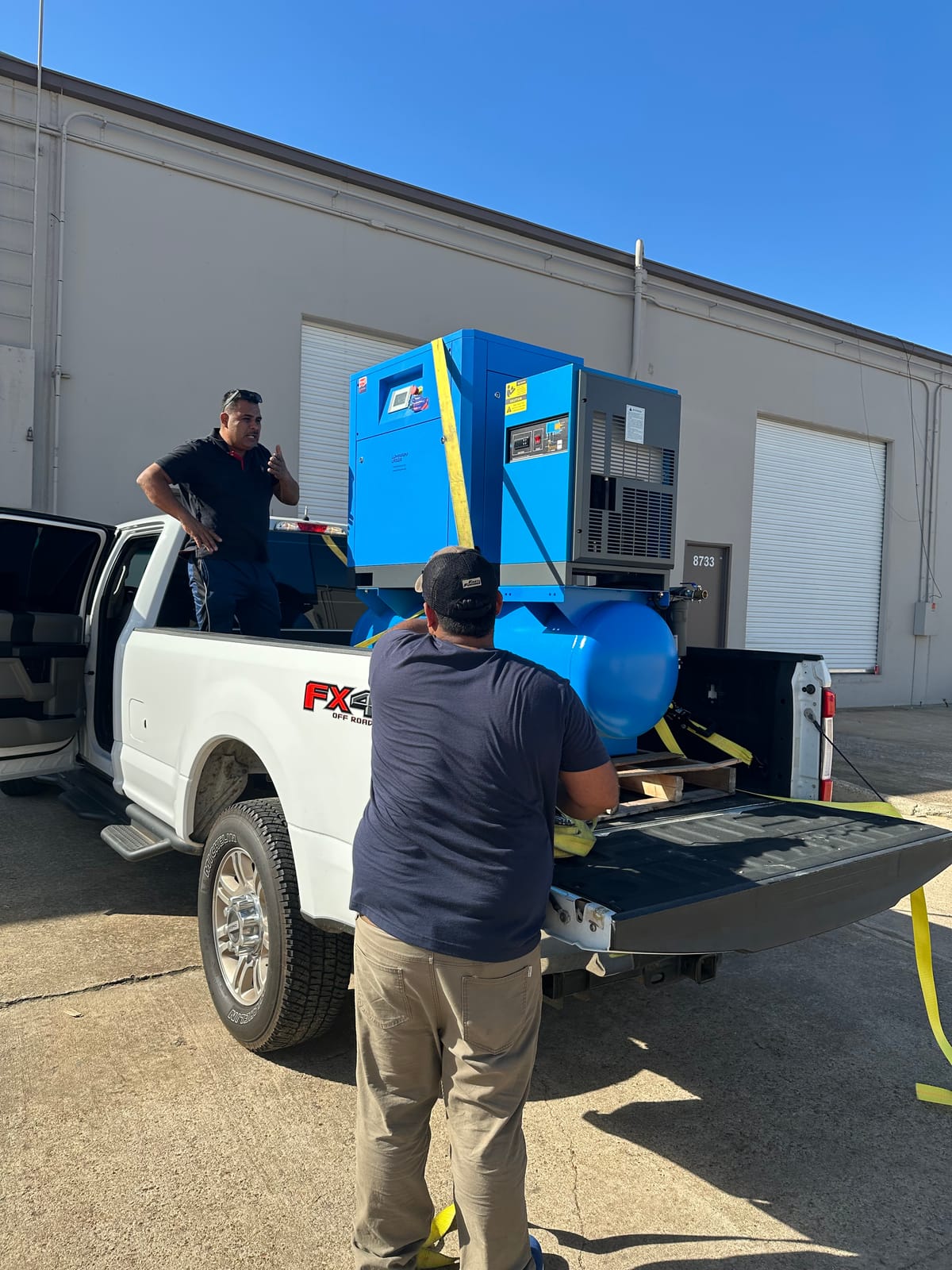
Start with the material flow, not the laser power
Before comparing loading options, map the actual path of a tube through the shop: receiving, storage, staging, loading, cutting, unloading, sorting, welding or assembly, and scrap handling. The best loading method supports that entire path instead of only making the first step faster.
Record the tube profiles you run most often, including round tube, square tube, rectangular tube, and shaped profiles. Also note wall thickness, bar length, per-piece weight, batch size, and how often the operator changes material during a shift.
When manual or single-bar loading can make sense
Manual or single-bar loading can be practical when a shop runs varied work, short batches, frequent profile changes, or unusual sections that need close operator attention. It can also make sense when production volume does not justify a dedicated bundle-loading workflow.
The tradeoff is not only labor. Consider the time used to stage material, align each bar, confirm the profile, clear finished parts, and prepare the next job. A realistic decision looks at the full changeover cycle rather than only the laser cutting time.
Where semi-automatic loading fits
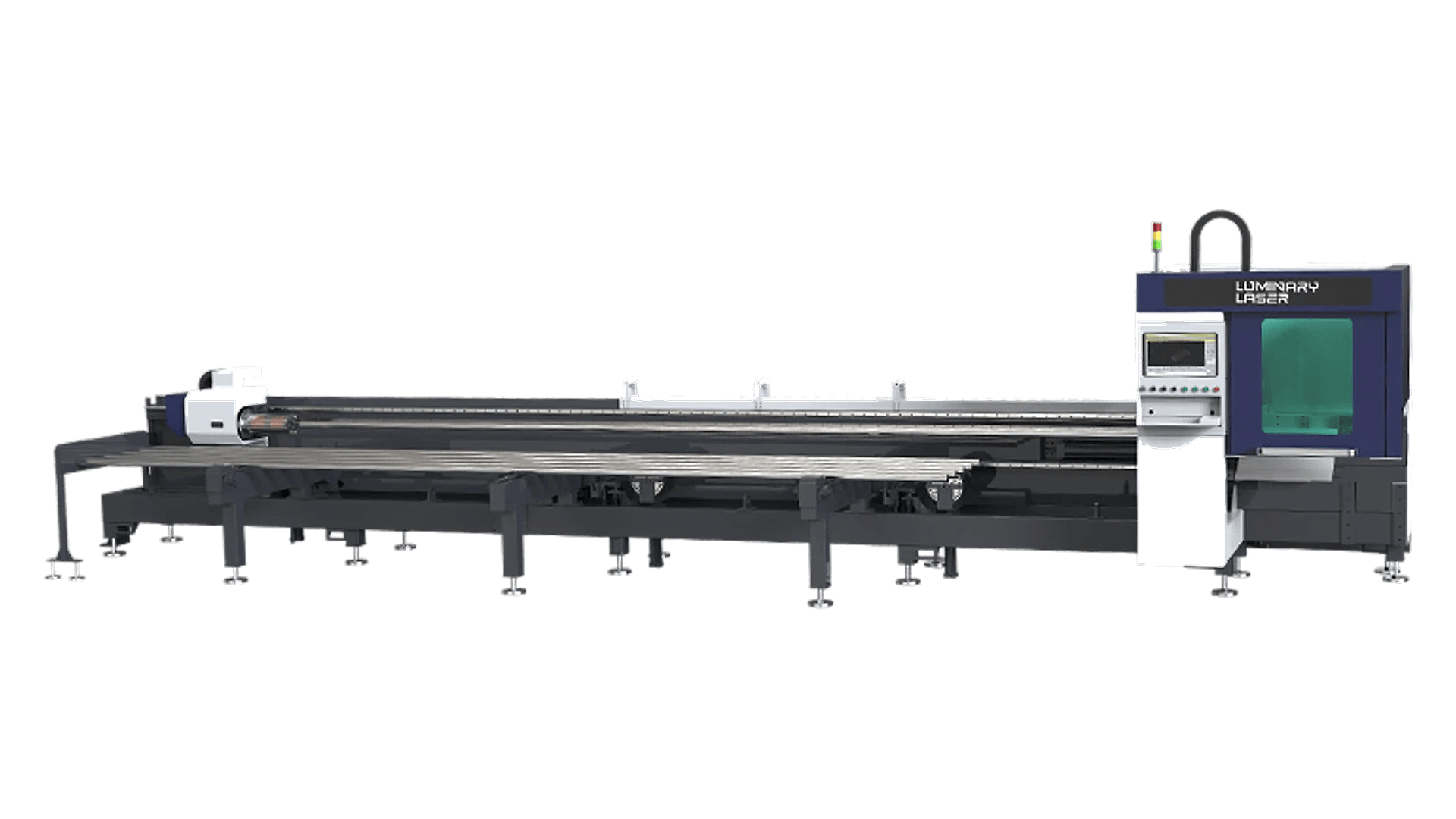
Semi-automatic loading is often a useful middle path for shops that have repeat work but still need flexibility. It can reduce repetitive handling while keeping the operator involved when tube size, batch quantity, or job priorities change often.
When evaluating this workflow, ask how a single bar is introduced, where the operator works during loading, what happens when a different section is required, and how finished parts and scrap are separated. The answer should fit the shop floor, not only the catalog layout.
When fully automatic loading earns its place
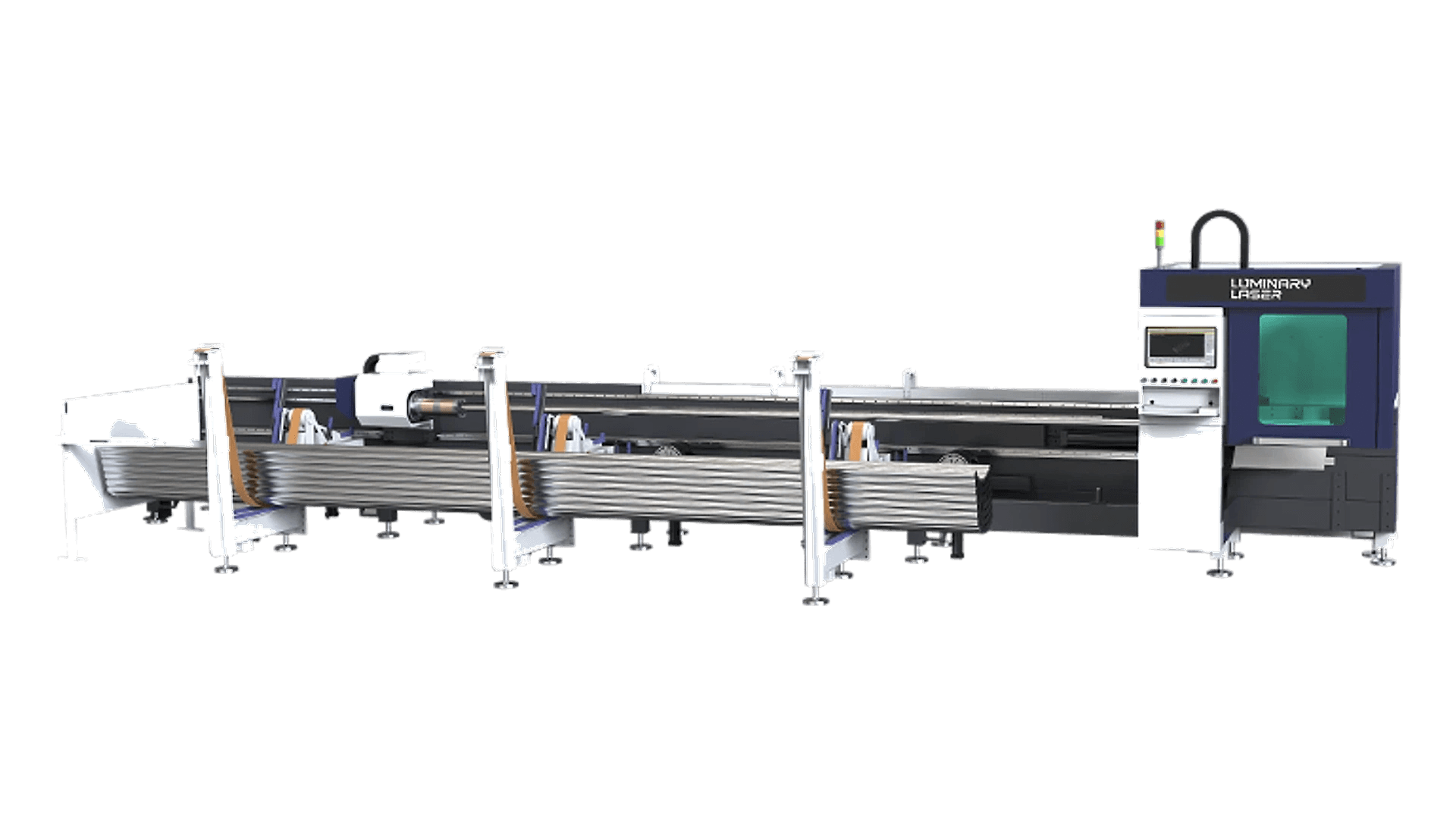
Fully automatic loading is strongest when material flow is predictable enough to keep the system supplied: repeat production, longer runs, stable profile ranges, and a plan for bundle staging, unloading, and part collection. The objective is to reduce non-cutting time and manual movement across a complete production sequence.
Automatic loading is not a substitute for planning. Verify bundle storage, forklift or crane access, loading length, tube weight, changeover needs, downstream space, and who will monitor exceptions. A system can be automated in stages, so the right configuration does not always require automating every process at once.
Round, square, and shaped tube change the conversation
Tube geometry affects more than the cut program. It can change clamping needs, support requirements, orientation checks, feeding stability, and the time needed to switch between jobs. Thin, long, flexible, heavy, or irregular profiles deserve their own review before a loading method is selected.
For a useful machine recommendation, provide the normal and maximum profile dimensions, common material grades, wall thicknesses, standard bar lengths, and the percentage of work that is repeat production versus mixed custom work.
Plan unloading and the next operation at the same time
Loading is only one side of throughput. A tube laser workflow also needs a practical answer for finished parts, short pieces, remnant material, scrap, quality checks, and the handoff to bending, welding, drilling, coating, or assembly.
If cut parts wait for manual sorting or block an operator walkway, faster loading alone may not improve the job. Include downstream handling in the initial layout discussion so machine selection supports the actual bottleneck.
What to prepare before requesting a tube laser quote
Prepare representative drawings, tube profiles, diameter or section range, wall thickness, bar lengths, per-piece weight, average batch size, jobs per shift, expected changeover frequency, preferred loading method, required cut features, and the next production step after cutting.
These inputs help a supplier compare semi-automatic and fully automatic options around real production conditions. They also make it easier to discuss working area, loading length, support needs, installation access, operator training, and service planning without relying on assumptions.
FAQs
Frequently asked questions.
What is the best loading method for a tube laser?
The best method depends on batch size, profile mix, bar length and weight, changeover frequency, available labor, floor space, and downstream part handling. Mixed short-run work may favor manual or semi-automatic loading, while repeat production may justify a fully automatic system.
When does semi-automatic tube loading make sense?
Semi-automatic loading can fit shops that run repeat work but still change profiles or priorities frequently. It can reduce repetitive handling while keeping the operator involved in staging and job changes.
When should a shop consider fully automatic tube loading?
Fully automatic loading is worth evaluating when the shop has stable profile ranges, longer runs, predictable bundle staging, and enough downstream capacity to handle the additional output without creating a new bottleneck.
What information is needed to select a tube loading system?
Provide common and maximum profiles, wall thicknesses, bar lengths, piece weights, material grades, batch sizes, changes per shift, loading constraints, finished-part handling, and representative drawings.
Join the conversation
Reader discussion
Share a question or your experience with this topic. Comments appear immediately after submission. For a machine quotation, contact our team directly.
Loading reader comments…
Leave a comment