
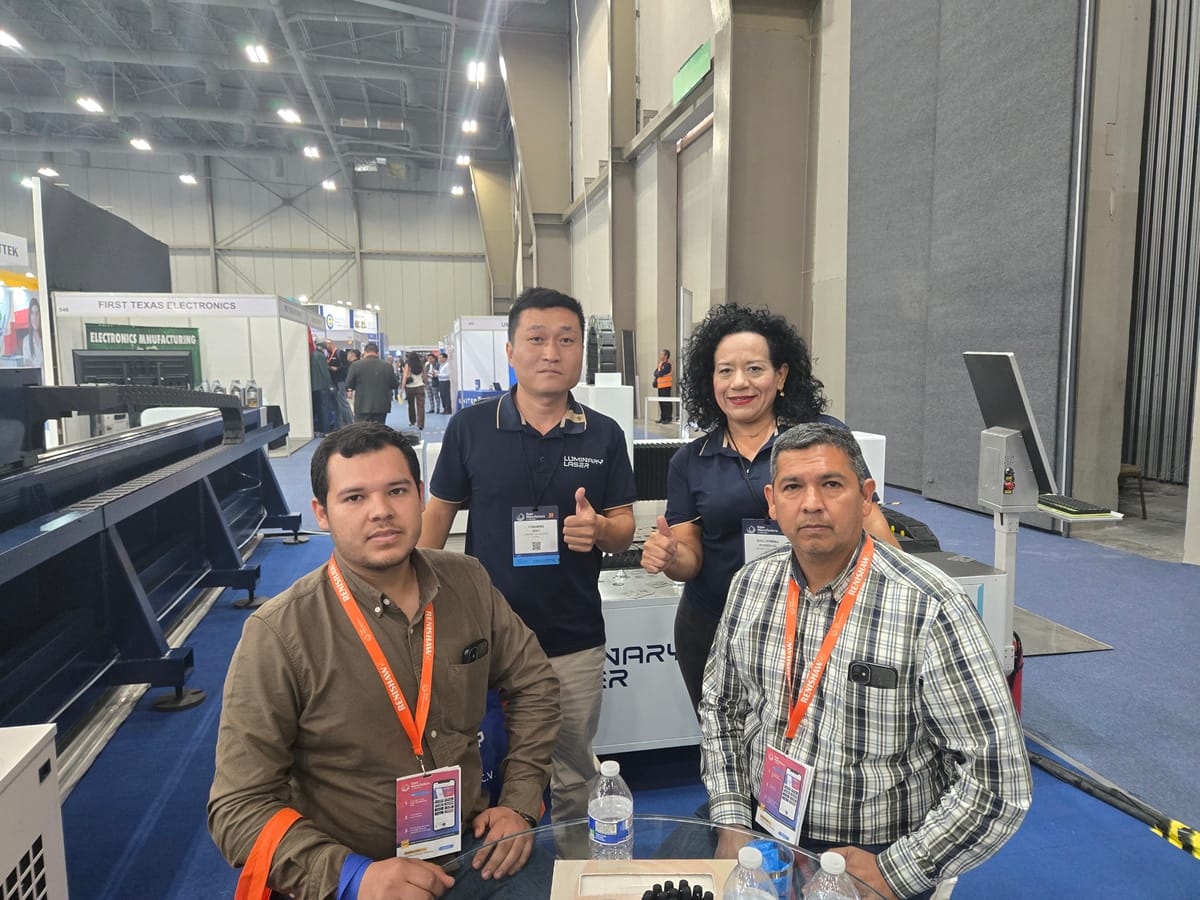
Define the tube work before choosing a model
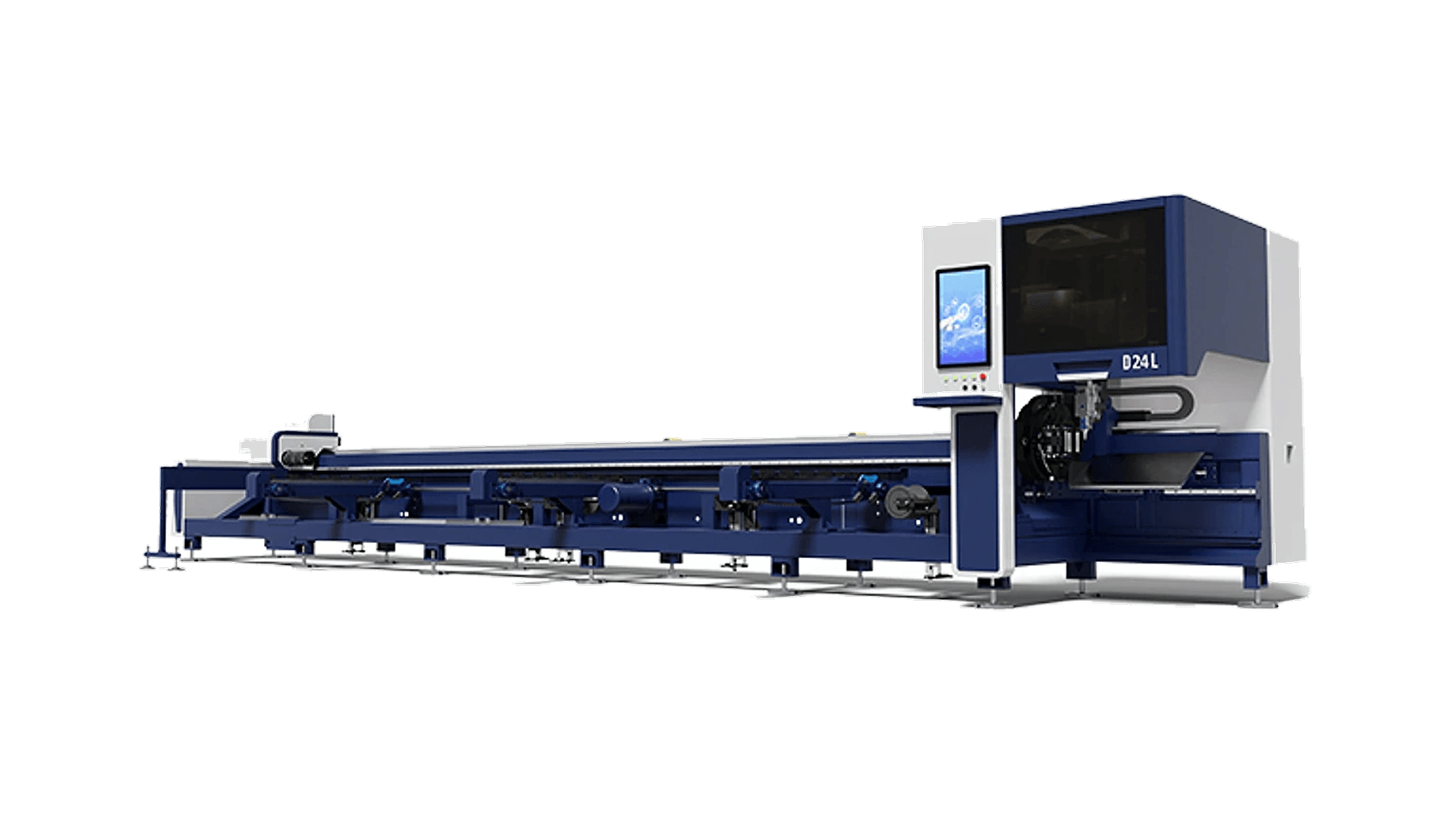
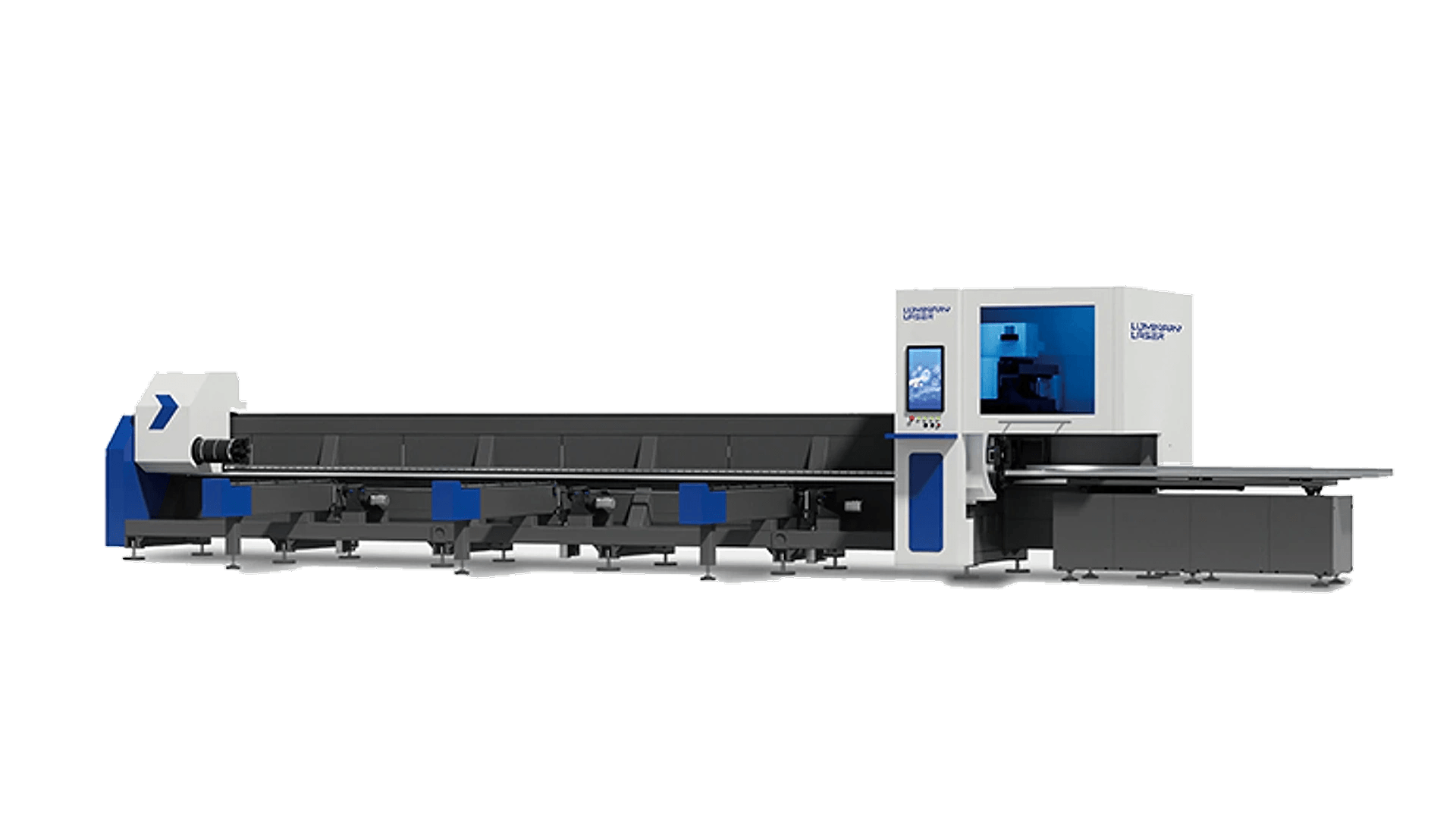
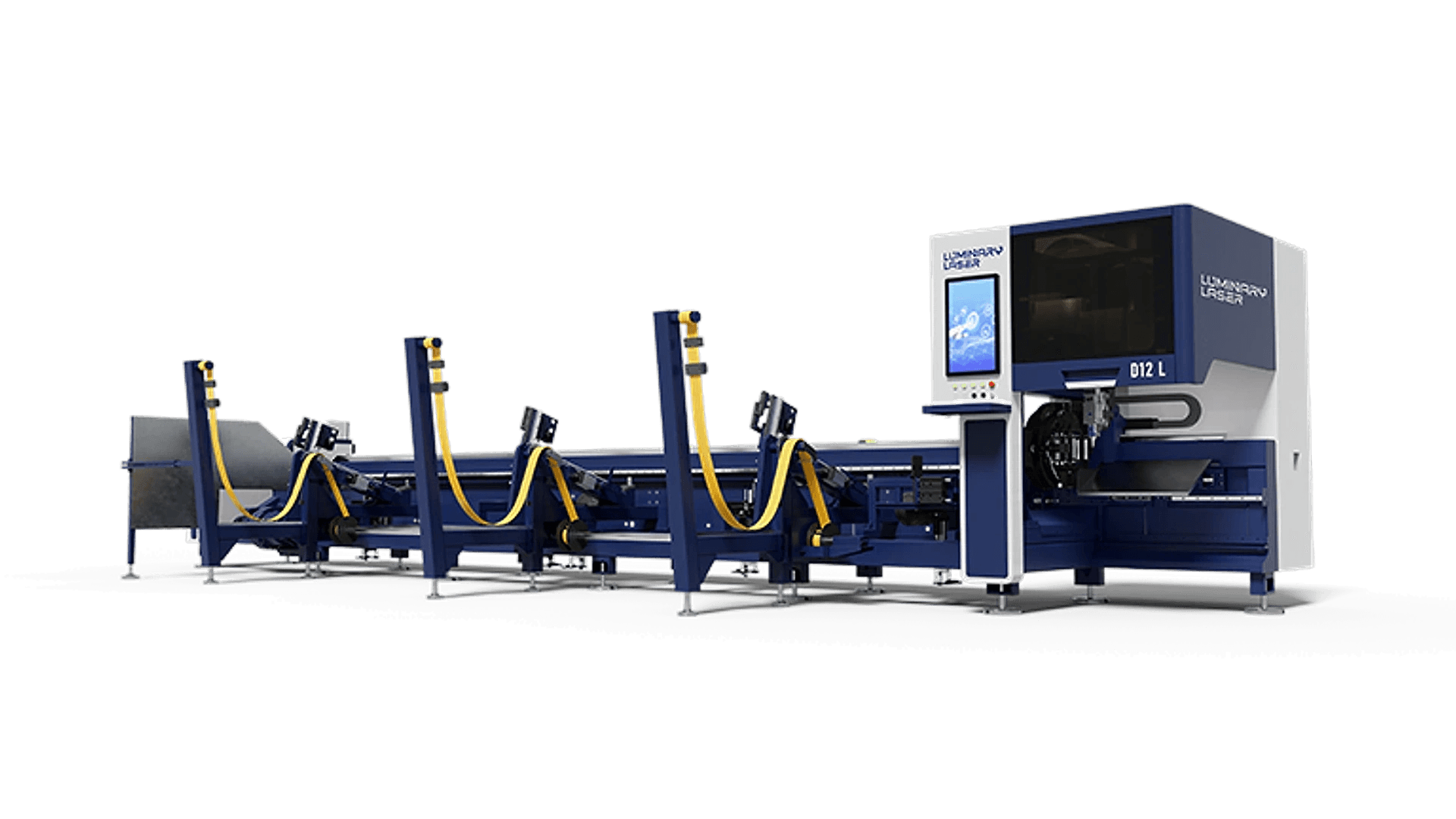
Start with the tube profiles used most often: round, square, rectangular, oval, channel, angle, or shaped tube. Record the outside diameter or profile size, wall thickness, maximum tube length, minimum batch size, and the most common cut features.
This matters because chuck range, support method, loading length, and cutting head clearance all affect machine fit. A model that looks similar in a catalog may not handle the same tube mix on the shop floor.
Match loading method to production volume
Semi-automatic loading can be practical for mixed jobs, lower volume, or shops where operators frequently change tube size. Fully automatic loading is usually stronger for repeat production, higher throughput, and reducing manual handling time.
When requesting a quote, include the number of tube size changes per shift, average batch quantity, labor plan, and whether the machine needs bevel cutting or follower support for complex profiles.
Look beyond laser power
Laser power is important, but tube cutting performance also depends on chuck speed, clamping stability, support structure, nesting software, unloading method, operator training, and how cleanly parts move into welding or assembly.
A better quote conversation compares the full workflow: material, wall thickness, profile range, cutting features, loading automation, floor space, training, and service coordination.
Plan installation and training before delivery
Tube laser systems need space for the machine, loading area, support racks, finished parts, scrap handling, assist gas, chiller access, and safe operator movement. Confirm the full footprint before ordering.
Training should include machine startup, tube loading, parameter setup, nesting workflow, routine maintenance, safety procedures, and what information the buyer should provide when requesting remote support.
Ask what support looks like after startup
For most U.S. regions, buyers should clarify how service communication, remote diagnostics, parts planning, and installation questions are handled after the machine arrives.
LUMINARY LASER coordinates sales and service communication through its Houston office, helping buyers review machine selection, installation readiness, operator training, and parts planning before the project moves forward.
FAQs
Frequently asked questions.
What should a shop confirm before buying a tube laser?
Confirm profile shapes and sizes, wall thickness, bar length and weight, cut features, tolerance expectations, batch size, loading method, unloading workflow, floor space, utilities, training, and support requirements.
Is laser power the main factor in tube laser selection?
No. Laser power matters, but chuck range, support method, loading and unloading, cutting-head access, software, changeovers, part handling, and downstream operations can be equally important to production fit.
When should a buyer compare automatic and semi-automatic loading?
Compare them when labor, repeat batch volume, bar staging, profile changes, and floor space materially affect throughput. The loading method should match the shop's actual production mix rather than a generic automation target.
Join the conversation
Reader discussion
Share a question or your experience with this topic. Comments appear immediately after submission. For a machine quotation, contact our team directly.
Loading reader comments…
Leave a comment