
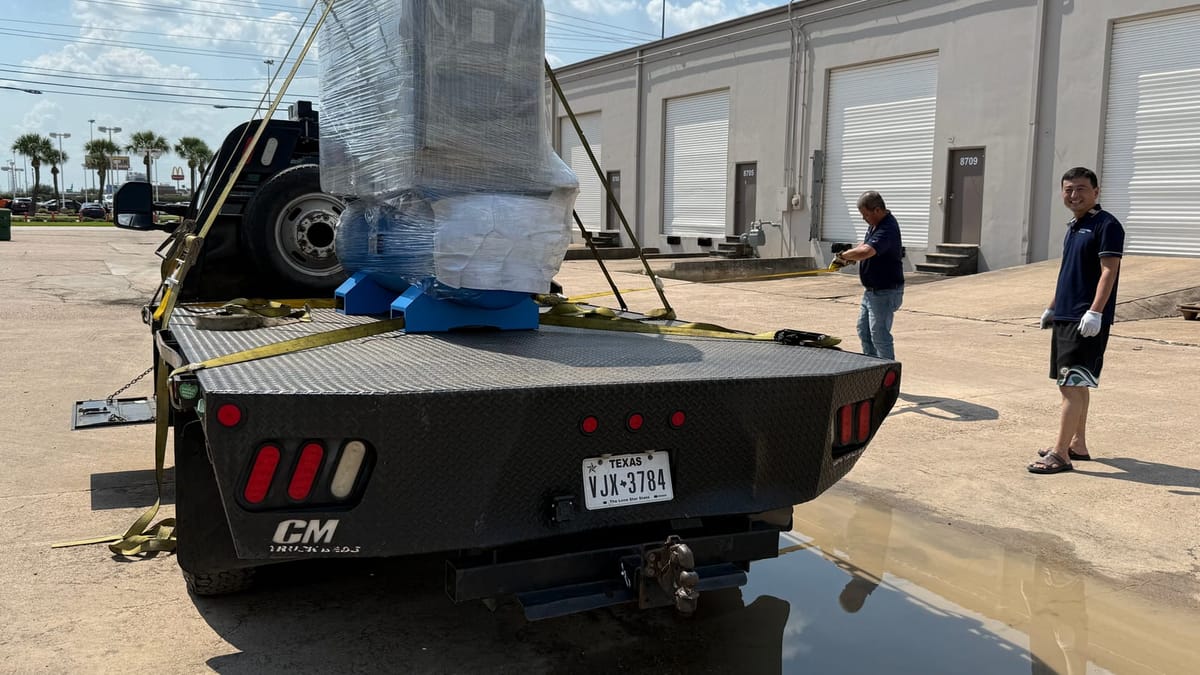
Start with the site plan
Confirm the machine footprint, door clearance, unloading area, fork truck or rigging plan, operator walkway, material loading direction, and maintenance access around the machine. A site plan helps the sales and service team identify practical issues before delivery.
For sheet laser systems, leave room for raw material flow, finished parts, scrap removal, dust collection, chiller access, and safe operator movement. For tube laser systems, plan the full loading length and support area, not only the machine cabinet.
Confirm power and utilities early
Before placing an order, have a qualified electrician review voltage, phase, grounding, panel capacity, disconnect location, and any local code requirements. The machine quote should be matched to the site, not forced into an unprepared building.
Also confirm chiller placement, compressed air capacity if used, drainage needs, and cable routing. These details are not as visible as laser power, but they can affect installation timing and startup quality.
Plan assist gas and ventilation
Assist gas planning should cover oxygen, nitrogen, or compressed air availability, line routing, cylinder or bulk storage, regulator requirements, and expected consumption. Shops should handle compressed gases according to applicable workplace safety requirements and supplier guidance.
Laser cutting can generate smoke, fumes, and dust depending on material and coating. Review dust collection, local exhaust, filter maintenance, discharge location, and operator exposure controls before installation day.
Prepare operators before startup
Installation is not only mechanical placement. Plan who will attend operator training, who will maintain the machine, who will manage cutting parameters, and who will be responsible for safety procedures.
Prepare representative drawings, material samples, common thicknesses, and production goals for the first training session. Real parts help the service team tune the startup around the work your shop actually needs to run.
Send better quote details
A stronger quote request includes material type, thickness range, sheet or tube size, desired laser power, part drawings, production volume, installation location, preferred timeline, and any automation or bevel cutting requirements.
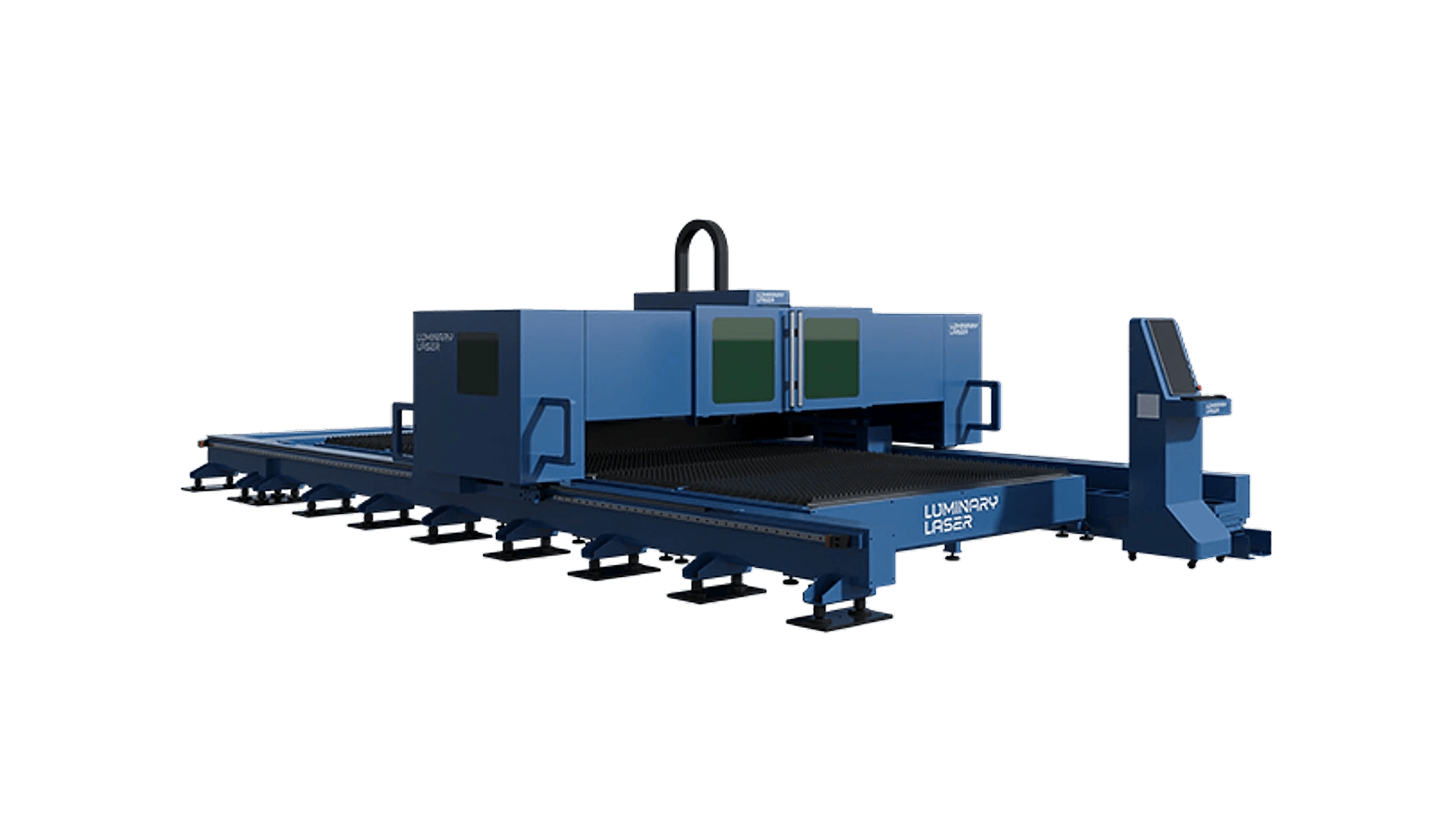
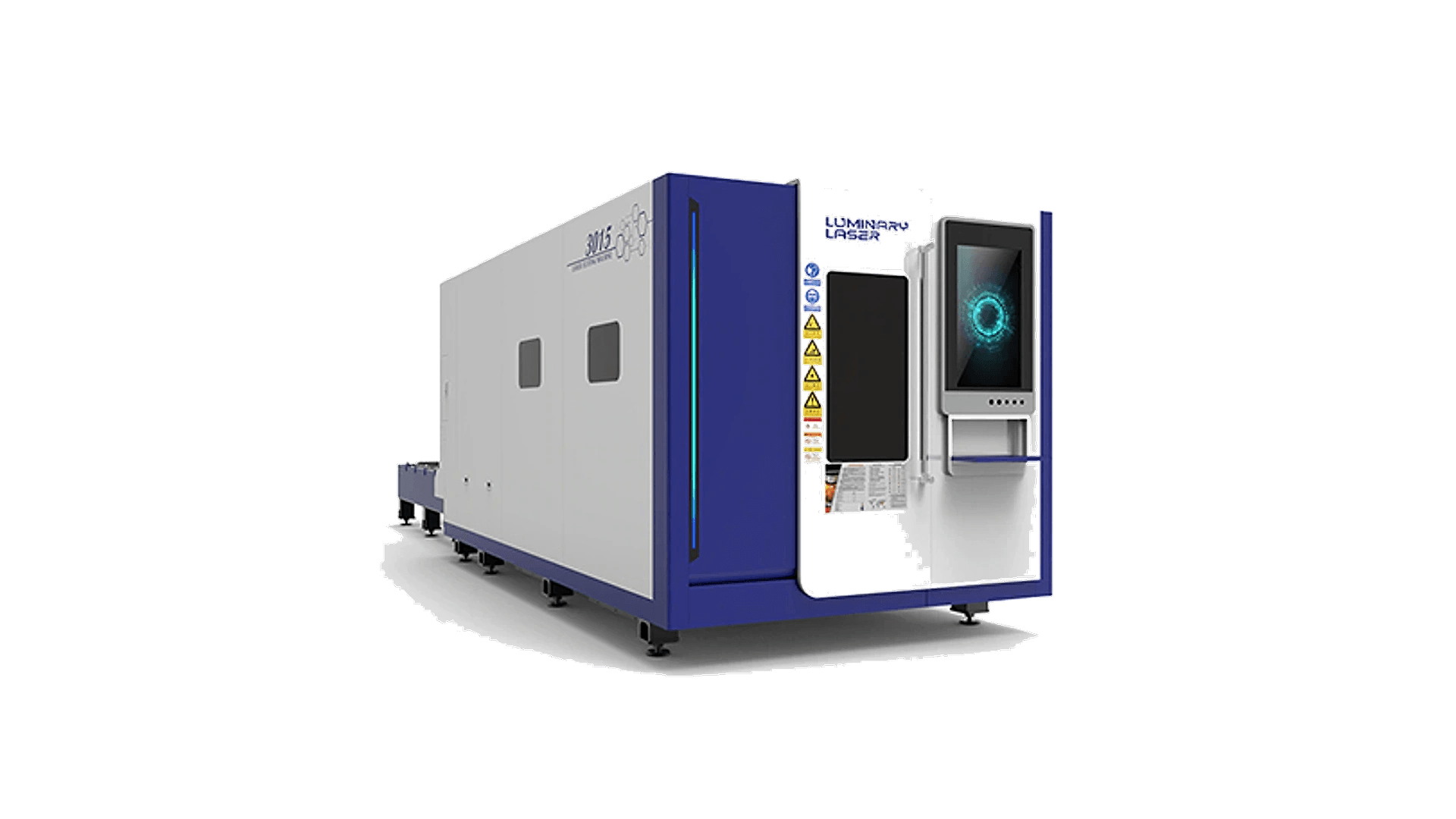
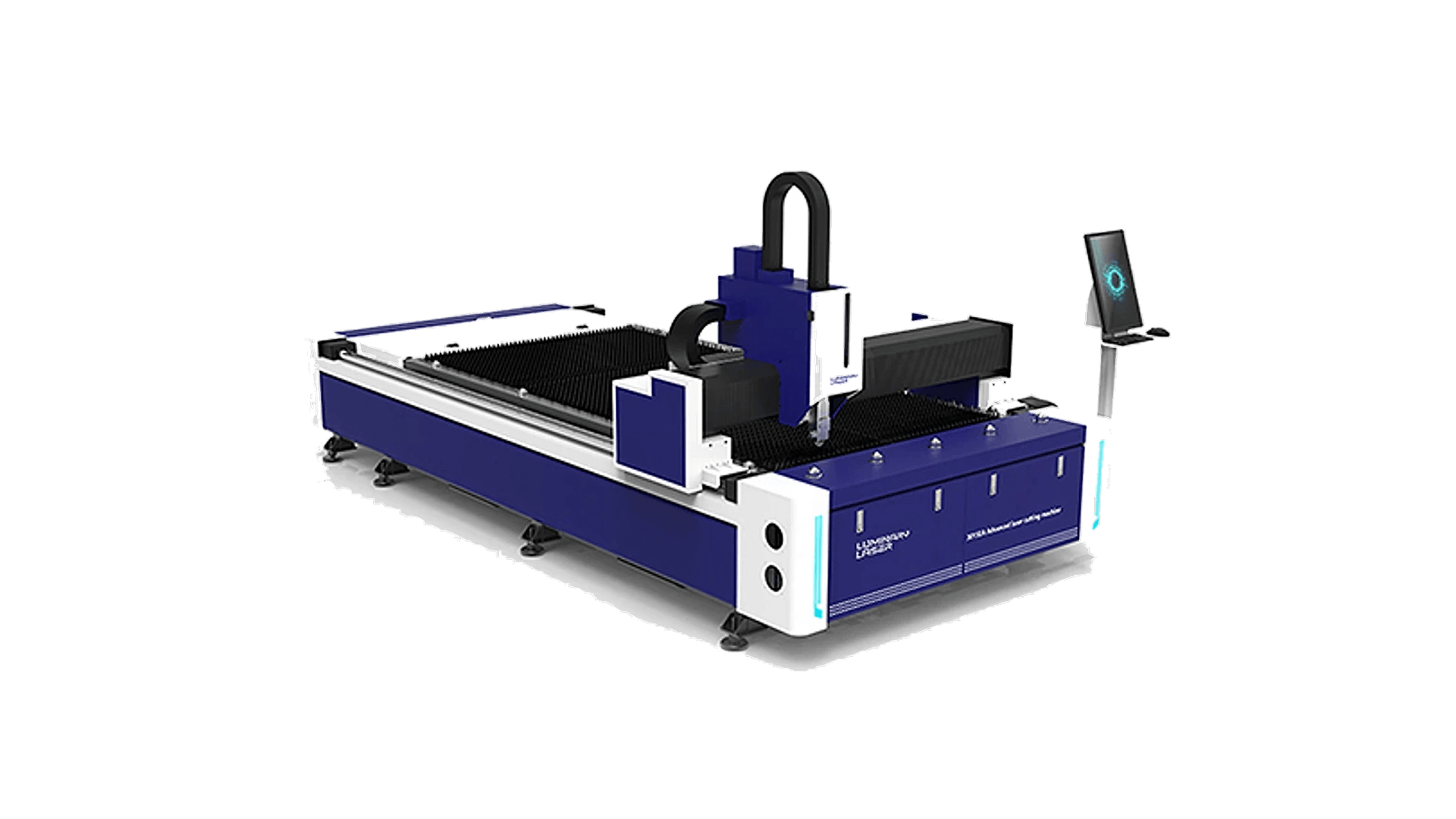
When those details are clear, LUMINARY LASER can recommend the machine family, working area, power range, loading method, and support plan with fewer assumptions.
Use a support plan for most U.S. regions
A local support conversation should cover installation readiness, operator training, remote diagnostics, parts planning, and response expectations. The goal is to avoid a machine that arrives before the shop is ready to run it.
LUMINARY LASER coordinates quote and service communication from its Houston office for buyers across most U.S. regions, helping shops prepare the practical details before delivery.
FAQs
Frequently asked questions.
What utilities are required for a fiber laser installation?
Requirements vary by configuration, but planning normally covers electrical service and grounding, chiller placement, assist gas or compressed air, ventilation and dust collection, network access, and safe cable and line routing. Confirm final requirements with the selected machine configuration and qualified local trades.
How much floor space should a shop plan for a fiber laser?
Plan beyond the machine footprint. Include loading and unloading, raw material and finished parts, scrap handling, chiller and dust collector access, operator walkways, maintenance clearance, and the delivery or rigging path.
What should be ready before a fiber laser is delivered?
The site plan, delivery access, foundation or floor review, electrical work, gas and air routing, ventilation, dust collection, unloading equipment, responsible personnel, and representative training jobs should be confirmed before shipment.
Who should attend fiber laser operator training?
Include the primary operators, a maintenance representative, the person responsible for programming or nesting, and a production lead who can make decisions about parameters, material flow, safety, and quality expectations.
Join the conversation
Reader discussion
Share a question or your experience with this topic. Comments appear immediately after submission. For a machine quotation, contact our team directly.
Loading reader comments…
Leave a comment