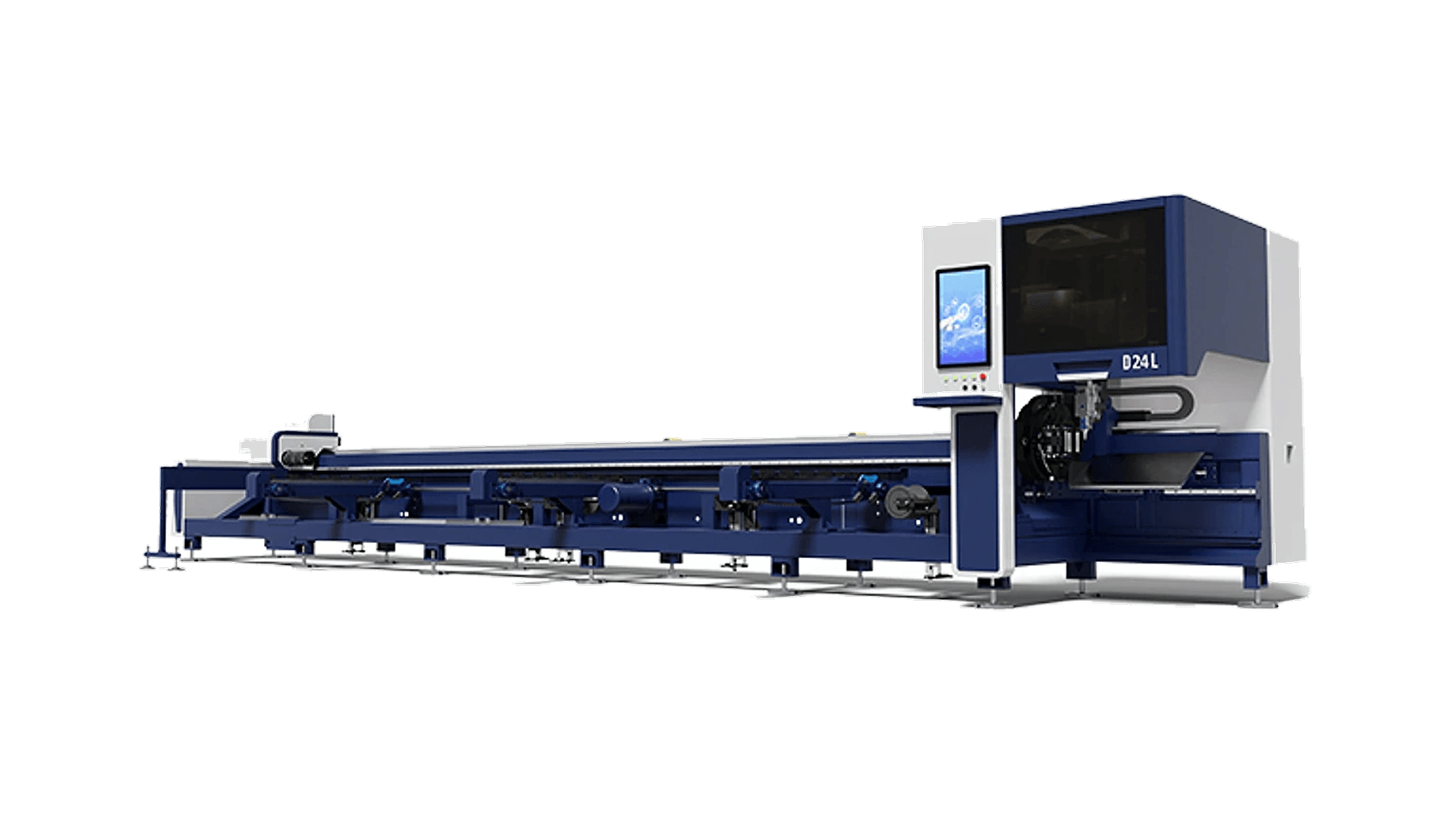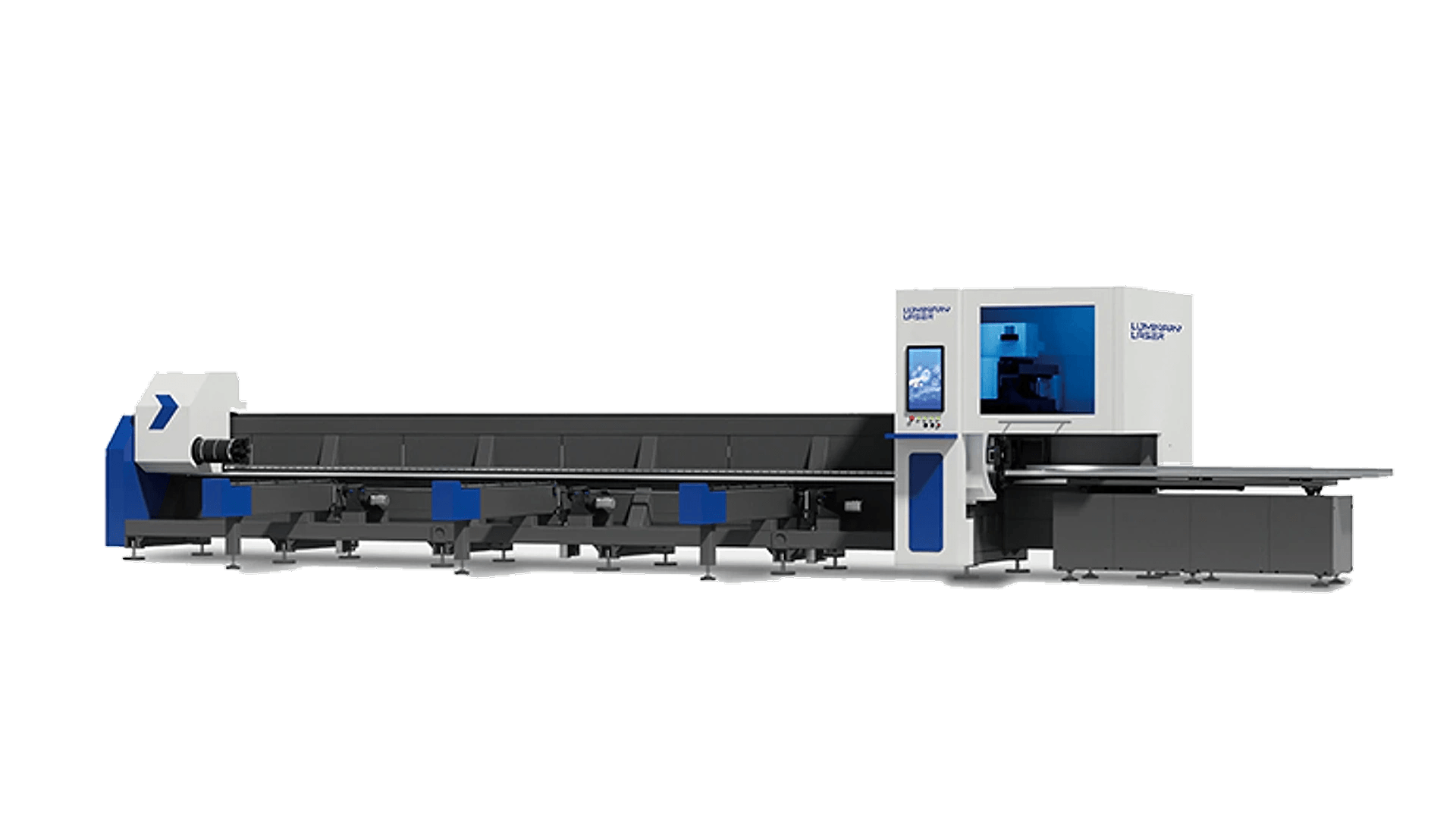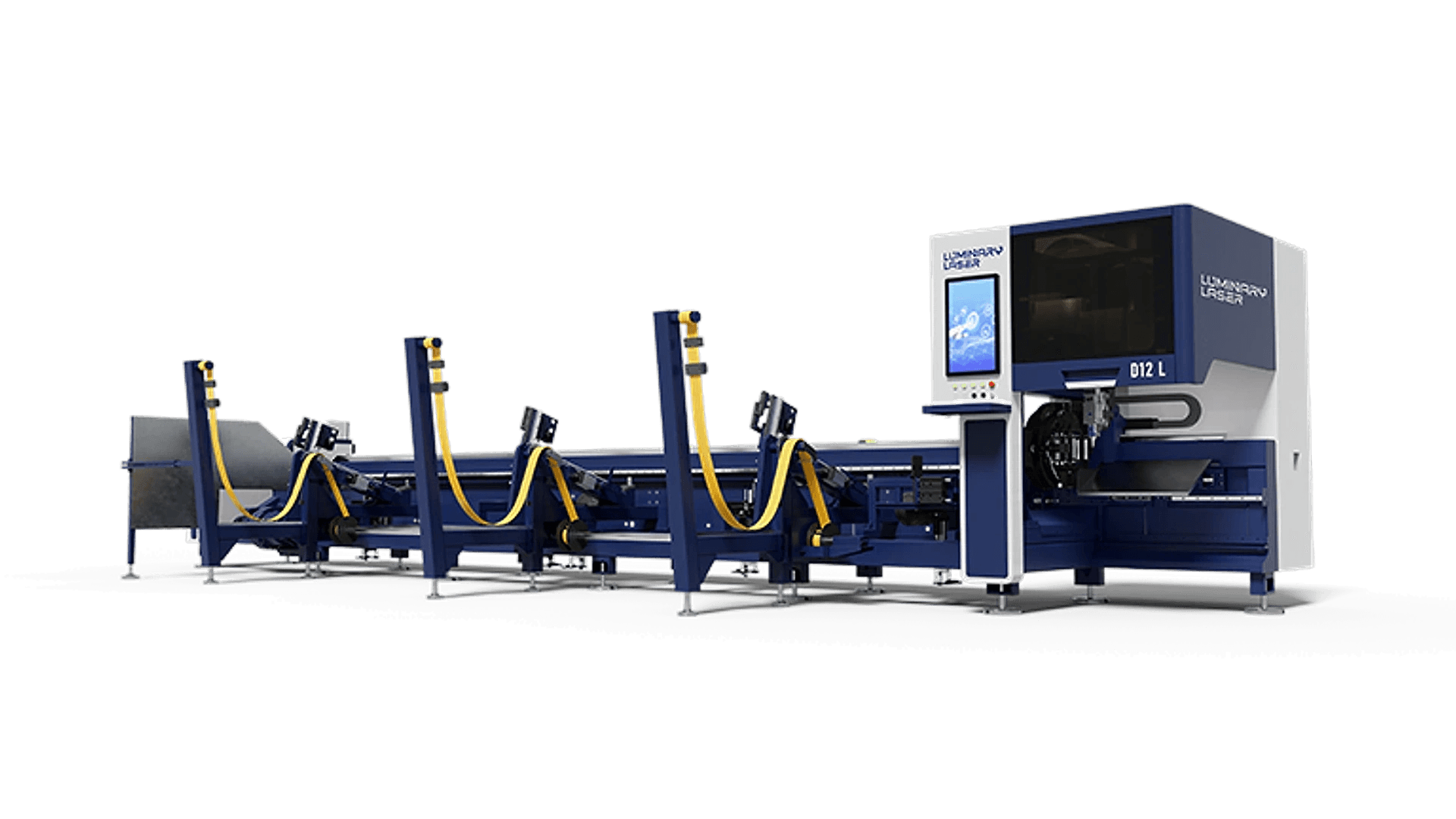
Why tube laser cutting machine quotes vary
A tube laser quote starts with the work, not a catalog price. Round tube, square tube, rectangular tube, shaped profiles, wall thickness, normal bar length, per-piece weight, and required cut features all affect the machine range under review. A shop processing occasional short parts has different needs from a shop running repeat production from long bars.
The quote should also separate the machine from the surrounding workflow. Material staging, loading, unloading, sorting, remnant handling, downstream welding, and operator access can materially change which configuration is practical. Comparing only the laser source name or a single line item can miss the production constraints that matter after installation.
Tube range and chuck configuration set the starting point
Define the normal and maximum outside diameter or section size before selecting a machine. Provide dimensions in the units your shop uses, such as inches and millimeters, along with the profile type and wall-thickness range. The configuration discussion should also cover tube straightness, surface condition, part length, and whether the work includes delicate, heavy, long, or shaped material.
Chuck arrangement, support, feeding stability, and clamping strategy should match the material mix rather than only the largest profile. When a shop regularly switches between round, square, rectangular, and shaped tube, changeover needs deserve the same attention as the maximum capacity figure.
Loading and unloading change the production configuration
Manual, semi-automatic, and fully automatic loading address different production patterns. Mixed work, short runs, and frequent profile changes can favor a flexible workflow. Repeat work, longer runs, and predictable material flow can justify a more automated review. The right choice depends on the complete shift, not only the cutting cycle.
Ask how bars are staged, how the operator introduces material, where finished parts collect, and how scrap and remnants are handled. A standard 20 ft (6.1 m) or 24 ft (7.3 m) bar workflow, for example, needs an honest site-layout discussion rather than an assumption that more automation is always the better fit.
Beveling and weld preparation should be specified early
If parts need angled cuts, weld preparation, or complex joints, include those requirements in the initial quote request. Beveling can affect the cutting head, programming approach, support needs, part handling, and the way the downstream welding team receives the part. It should not be treated as a minor afterthought once the machine family is chosen.
Share drawings or representative part photos that identify the critical cut features. A supplier can then discuss whether the proposed configuration fits the intended joint preparation and fabrication sequence without making unsupported claims about cycle time or weld quality.
Site readiness, installation, and service belong in the comparison
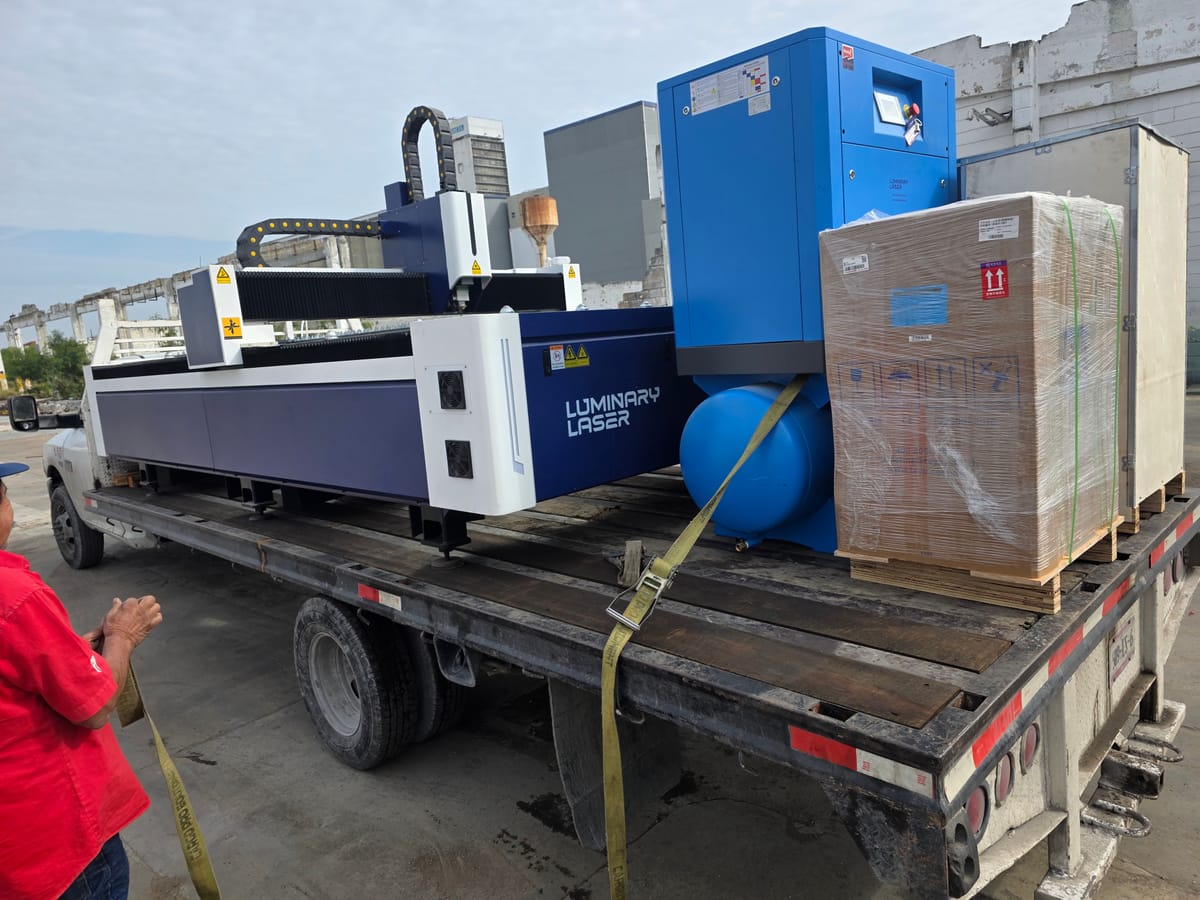
A complete tube laser discussion includes floor space, access for delivery and positioning, electrical service, ventilation or fume-control planning, assist-gas supply, material handling, and operator work areas. Confirm these details with qualified facility and trade partners for the selected configuration; they should not be guessed from a generic machine layout.
Installation coordination, training, preventive maintenance expectations, parts planning, and technical support also affect how quickly a system can be put into a controlled production workflow. Ask each supplier to make the scope clear, including what the shop needs to provide and what support is included in the proposed plan.
What to send with a tube laser quote request
Prepare representative drawings, the normal and maximum tube profile, diameter or section range, wall thickness, material grades, bar lengths, per-piece weight, batch size, jobs per shift, and the cut features required. Include whether the work is repeat production, mixed custom work, or both.
Also describe the preferred loading approach, expected downstream operation, installation location, available utilities, material-staging method, and target timeline. These inputs let the discussion focus on a practical machine family and configuration. They are more useful than asking for a universal price that cannot represent your shop's actual requirements.
FAQs
Frequently asked questions.
Why do tube laser cutting machine quotes vary?
Quotes vary because tube range, profiles, wall thickness, laser power, chuck and support requirements, loading method, beveling, site readiness, installation scope, and service planning are configured around the shop's actual production needs.
Does automatic loading change the machine configuration?
It can. Loading method affects material staging, bar length and weight planning, operator workflow, changeovers, unloading, finished-part handling, and the space needed around the system. The best fit depends on repeat volume and profile mix.
Do beveling requirements affect a tube laser quote?
Yes. Bevel cuts and weld-preparation features should be identified with drawings or sample parts during the initial discussion because they can affect the cutting configuration, programming, support needs, and downstream workflow.
What information should a fabrication shop provide for a tube laser quote?
Provide representative drawings, tube profiles and dimensions, material and wall-thickness range, bar lengths, weight, expected volume, loading preference, required cut features, site details, and the next operation after cutting.